Backyard Birds in Ohio: A Field Guide to the Species at Your Feeder
Every May, a wooden boardwalk through a swampy woodlot on the Lake Erie shore gets so crowded with people that they move along it in a slow shuffle, binoculars up, stopping every few feet. The draw is warblers. Magee Marsh, west of Port Clinton, is one of the best places in North America to see them, because tired migrants that have just crossed the lake stop to feed in the first trees they reach. It is a strange sight for a state better known for football and farmland. But it gets at something true about Ohio: it sits at a crossroads, between the Great Lakes and the Appalachians, between north and south, and the birds reflect that.
A lake, a hill country, and a line through the middle
Ohio’s northern edge is Lake Erie, with its marshes, islands, and shoreline parks that catch migrating birds in spring and fall. Much of the northwest was once the Great Black Swamp, drained for farms in the 1800s; the marshes that remain near Toledo and Sandusky Bay are some of the best birding in the Midwest. The middle of the state is flat farmland and fast-growing suburbs around Columbus, Dayton, and Cincinnati. The southeast is a different world. The glaciers never reached it, and it is hilly, heavily forested country, from the Hocking Hills to Shawnee State Forest, with birds more typical of the Appalachians.
That north-south split shows up even at the feeder. Black-capped Chickadees live in the northern part of the state, and Carolina Chickadees in the south, and the two meet in a narrow band across central Ohio where they hybridize. A chickadee in Columbus can be a puzzle, and listening to its song is often a better clue than looking at it.
The state bird: the Northern Cardinal
Ohio made the Northern Cardinal its state bird in 1933. It is shared with six other states, which makes it the most popular state bird in the country, but it suits Ohio well. Cardinals were not common in the state before settlement, when forests were more continuous; they moved in as land was cleared into fields, hedgerows, and eventually suburban yards with shrubs. Today they are found in every county and are one of the most familiar birds at Ohio feeders. The male’s bright red stands out against the snow, and both sexes sing, which is unusual among North American songbirds.
Common feeder visitors
Most Ohio yards with a feeder will see Northern Cardinals, Blue Jays, Tufted Titmice, White-breasted Nuthatches, Downy and Red-bellied Woodpeckers, American Goldfinches, House Finches, Mourning Doves, and either Carolina or Black-capped Chickadees. Carolina Wrens are common year-round, especially in the south, and will come to suet and mealworms. Dark-eyed Juncos and White-throated Sparrows arrive in October and stay until April. In spring and summer, Ruby-throated Hummingbirds, Baltimore Orioles, Rose-breasted Grosbeaks, and Eastern Bluebirds add color. Red-breasted Nuthatches and Pine Siskins appear in some winters and not others.
Beyond the backyard: Lake Erie and the eagles
The western Lake Erie shoreline, from Toledo to Sandusky, is Ohio’s birding heart. Magee Marsh, Ottawa National Wildlife Refuge, and the Black Swamp Bird Observatory’s banding station sit side by side, and every May the Biggest Week in American Birding festival draws visitors from around the world. Those same marshes tell a recovery story. By the late 1970s, Ohio had only a handful of Bald Eagle nests left, most of them along Lake Erie. After DDT was banned and the Ohio Division of Wildlife started a recovery program, the population rebounded, and eagles now nest in most Ohio counties. In the southeast, the forests of Shawnee State Forest and the Hocking Hills hold nesting warblers, vireos, and tanagers that are scarce in the rest of the state.
Winter has its own draw. The Wilds, a huge conservation center built on reclaimed strip-mine land near Cumberland in eastern Ohio, has become known for its open grasslands, where Northern Harriers, Rough-legged Hawks, and Short-eared Owls hunt over the fields on cold afternoons. It is not a place anyone would have picked for birding fifty years ago, which is part of the appeal. The same grasslands hold Henslow’s Sparrows and Grasshopper Sparrows in summer, two birds that have lost most of their habitat elsewhere in the state.
A note on native plants
Ohio’s yards are mostly lawns and non-native shrubs, and native plants can make a big difference for birds. Oaks, black cherry, and native willows host huge numbers of caterpillars, which songbirds feed their young. Serviceberry, flowering dogwood, spicebush, and elderberry provide fruit for thrushes, waxwings, and migrants in fall. Purple coneflower, black-eyed Susan, and goldenrod supply seeds for goldfinches and sparrows into winter. Ohio has a problem with invasive shrubs like bush honeysuckle and callery pear, which spread into woods and push out native plants; replacing them with natives is one of the best things a homeowner can do.
Winter Feeding Notes
Ohio winters are gray and damp more than they are brutally cold, but snow and ice storms can make food hard to find for days at a time. Black oil sunflower and suet will feed most of the common birds, and safflower is a good choice for cardinals. Nyjer in a tube feeder keeps goldfinches coming. Scatter millet on the ground for juncos and sparrows. A heated birdbath is a big draw in January and February. Keep feeders clean, especially in wet weather when seed can mold, and move them a few feet every so often to keep droppings from building up underneath.
Northern Cardinal
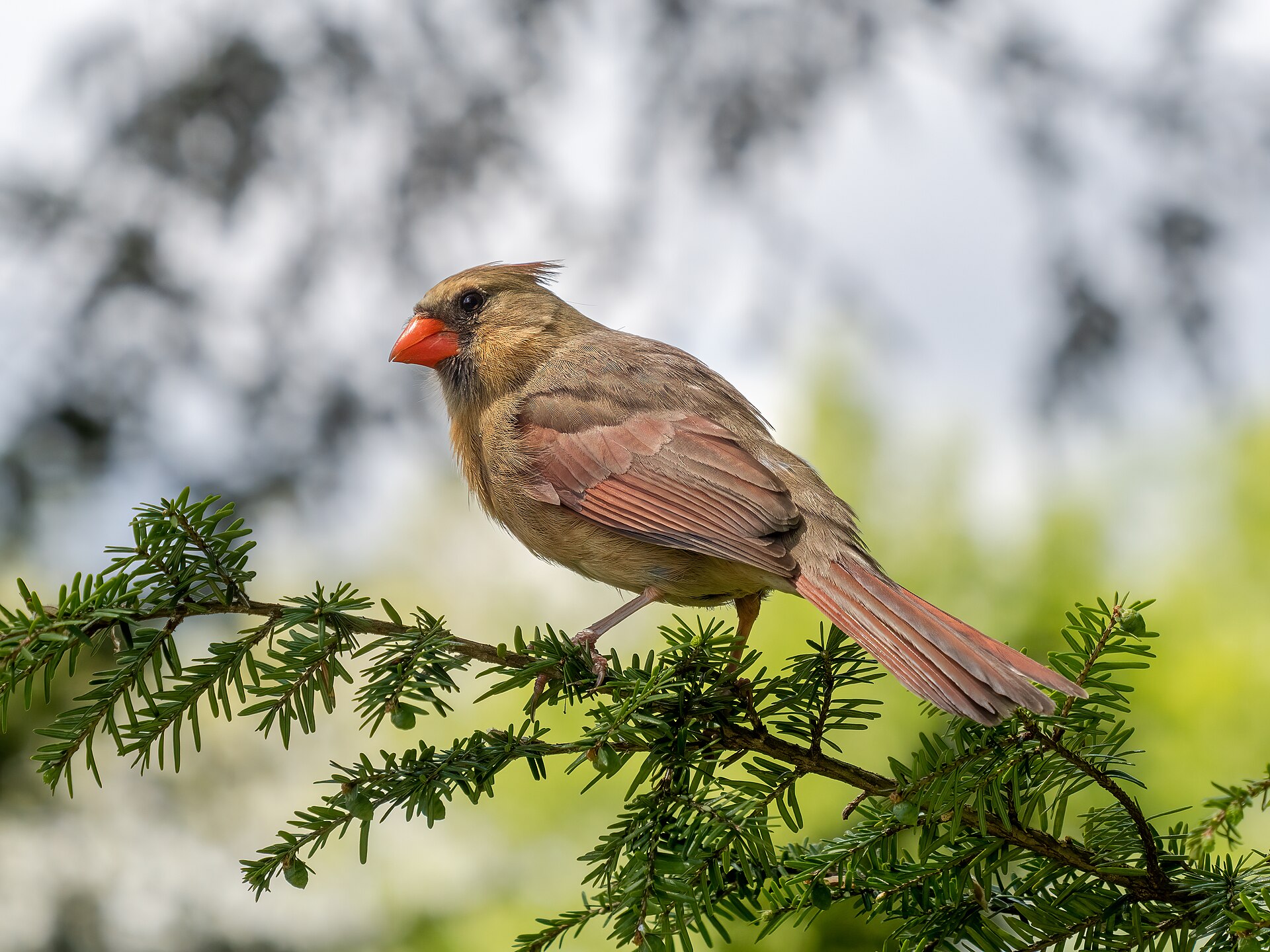
The Northern Cardinal is a crested songbird with a thick, cone-shaped bill. The male is bright red with a black face; the female is warm brown with red tinges on the wings, tail, and crest. Cardinals live in every county in Ohio and are especially common in suburbs, where shrubs and hedges give them cover. They like to feed on the ground or on platform and hopper feeders rather than small tubes, and they often come early in the morning and at dusk. Sunflower and safflower seeds are their favorites. Ohio’s state bird since 1933.
Carolina Chickadee
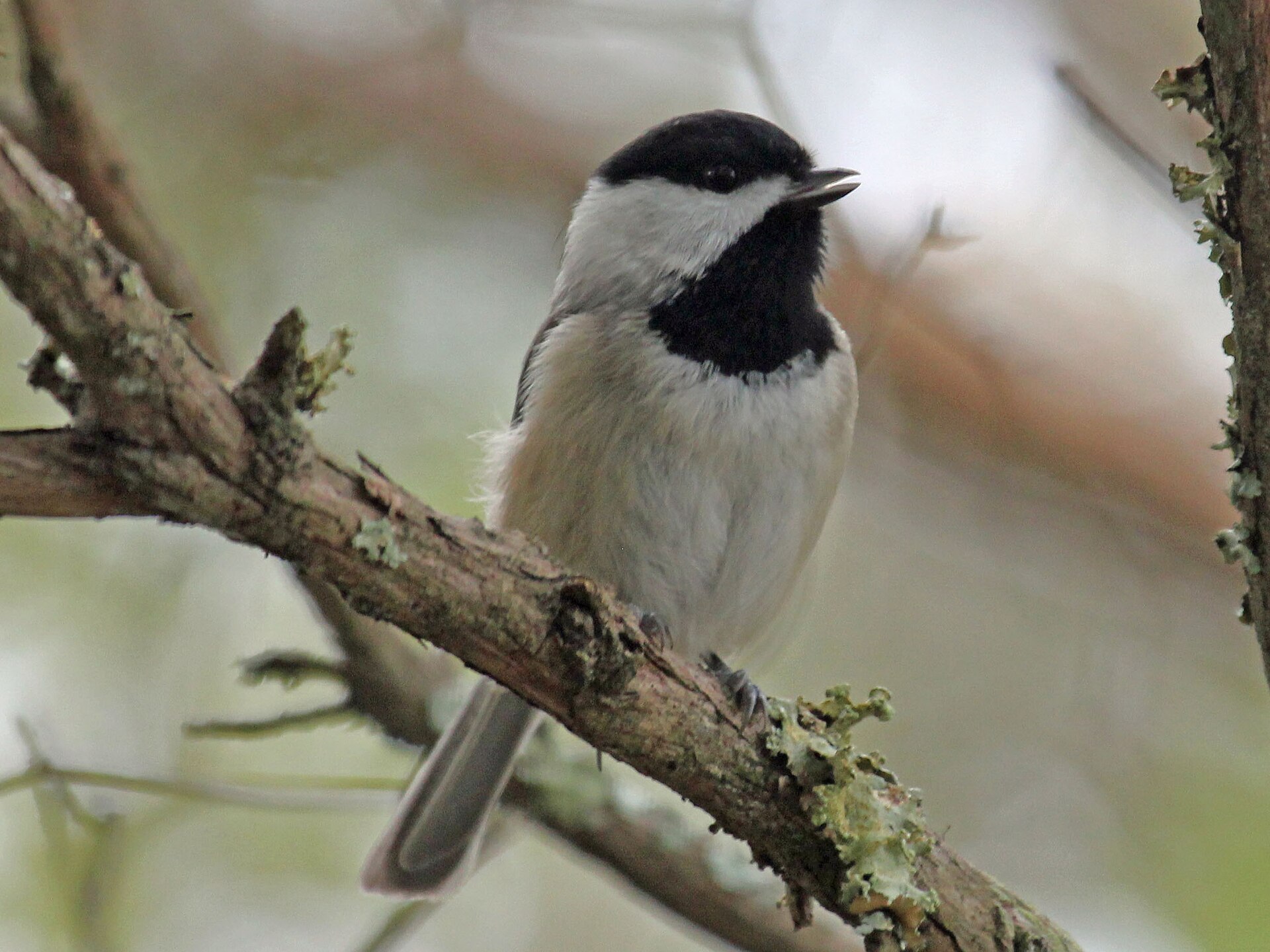
The Carolina Chickadee is a small, gray bird with a black cap and bib and white cheeks. It is the chickadee of southern and central Ohio and looks almost identical to the Black-capped. The best clues are the edge of the black bib, which is neater and sharper on a Carolina, and the song, a four-note “fee-bee-fee-bay” rather than the Black-capped’s two notes. Carolina Chickadees are regular at feeders all year, taking one sunflower seed at a time. They also nest in small boxes placed in wooded yards.
Black-capped Chickadee
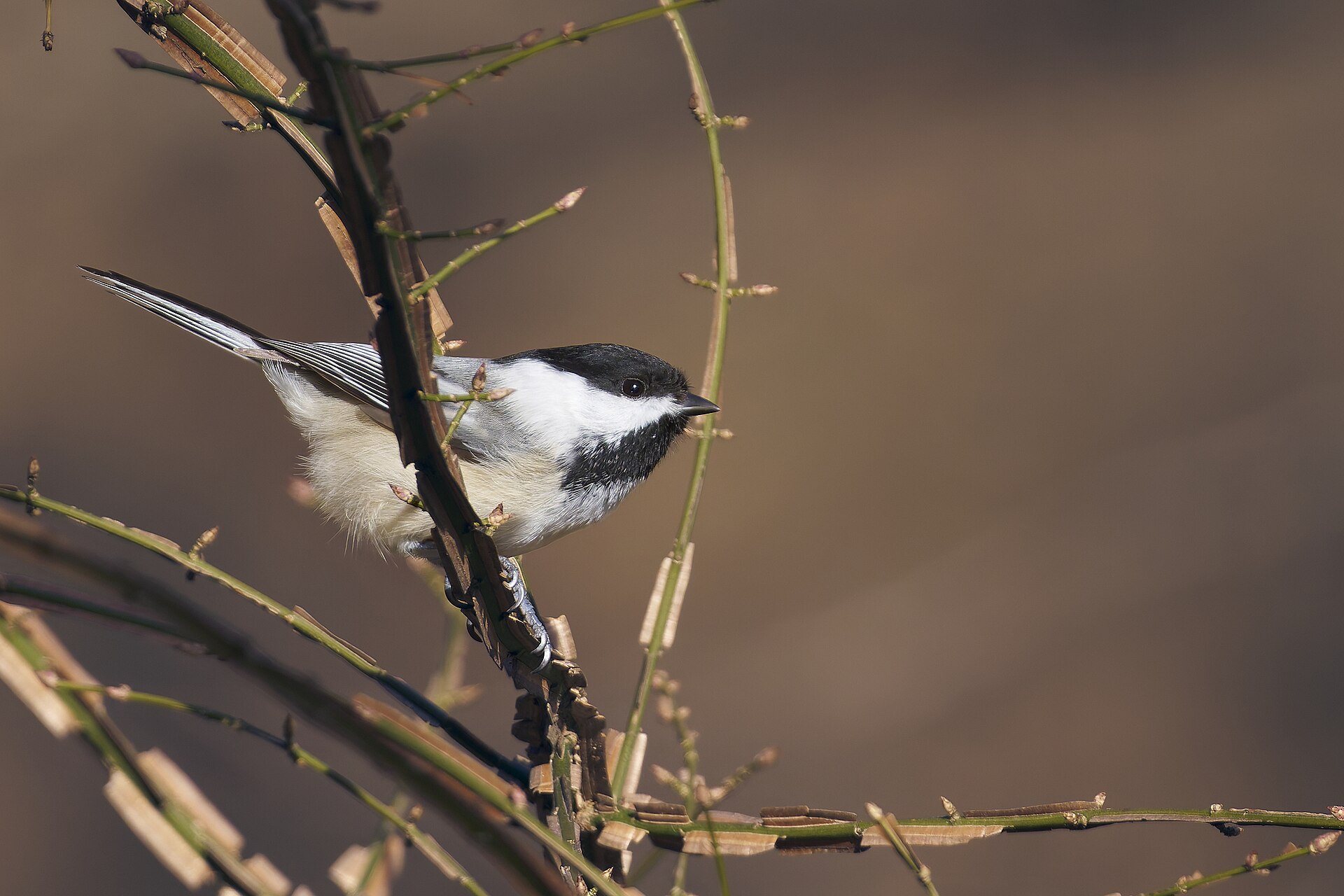
The Black-capped Chickadee is the chickadee of northern Ohio, from the Lake Erie shore south to roughly the middle of the state. It is slightly larger than the Carolina Chickadee and shows more white on the wing feathers, with a messier edge to its black bib. Its song is a clear, two-note “fee-bee.” Where the two species overlap, they often hybridize, and some birds sing songs mixed from both. Black-capped Chickadees come to sunflower seeds and suet, and are active even in the worst winter weather.
Tufted Titmouse
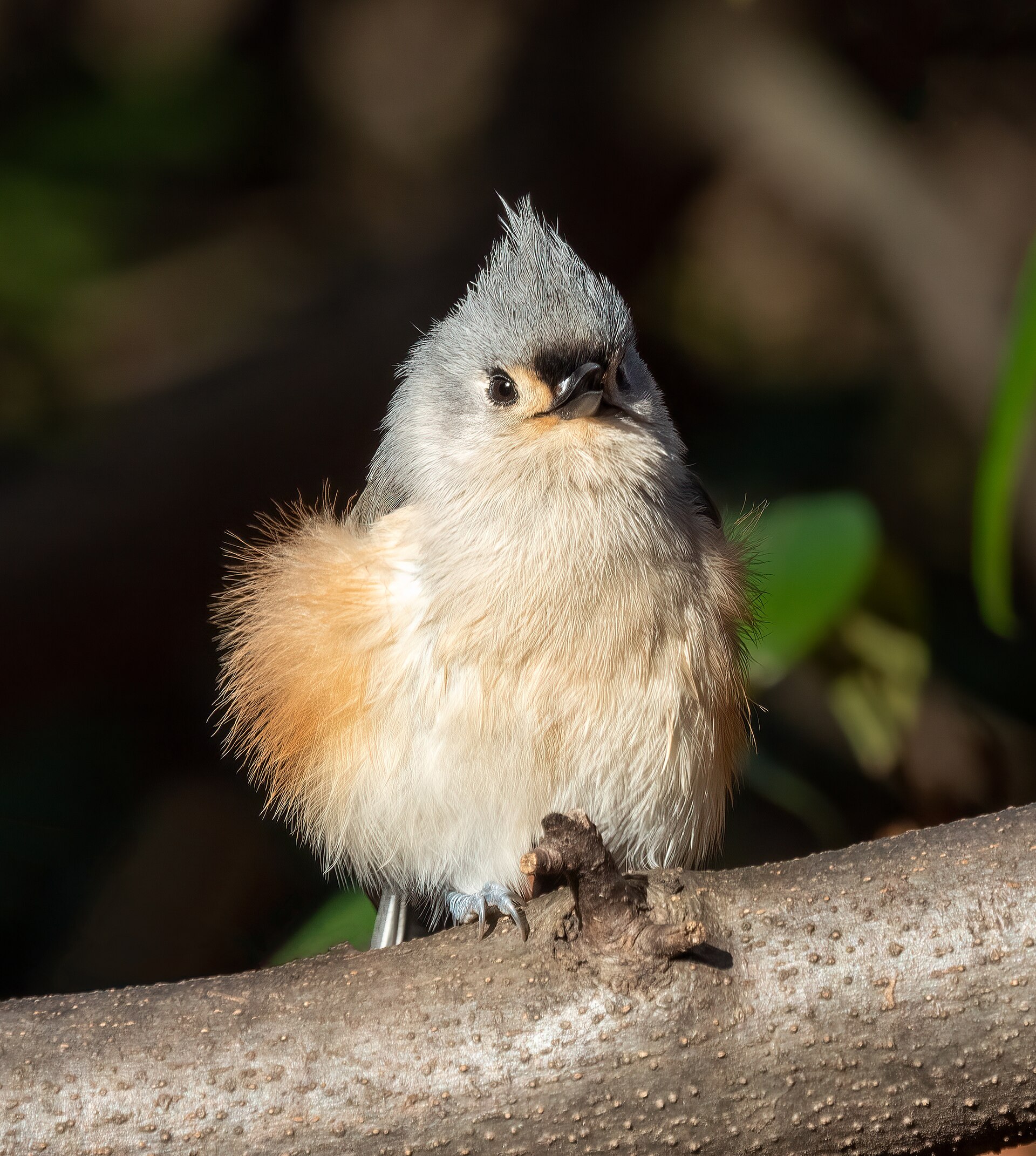
The Tufted Titmouse is a small, gray songbird with a pointed crest, big black eyes, and rusty sides. It is common throughout Ohio in wooded yards and parks and often travels with chickadees in winter flocks. Its song is a loud, whistled “peter-peter-peter.” Titmice love sunflower seeds and peanuts, and like chickadees, they often grab one seed and fly off to eat it or store it. They nest in tree cavities and old woodpecker holes and will use a nest box. In spring they sometimes pull hair from sleeping animals, and even people, to line their nests.
White-breasted Nuthatch
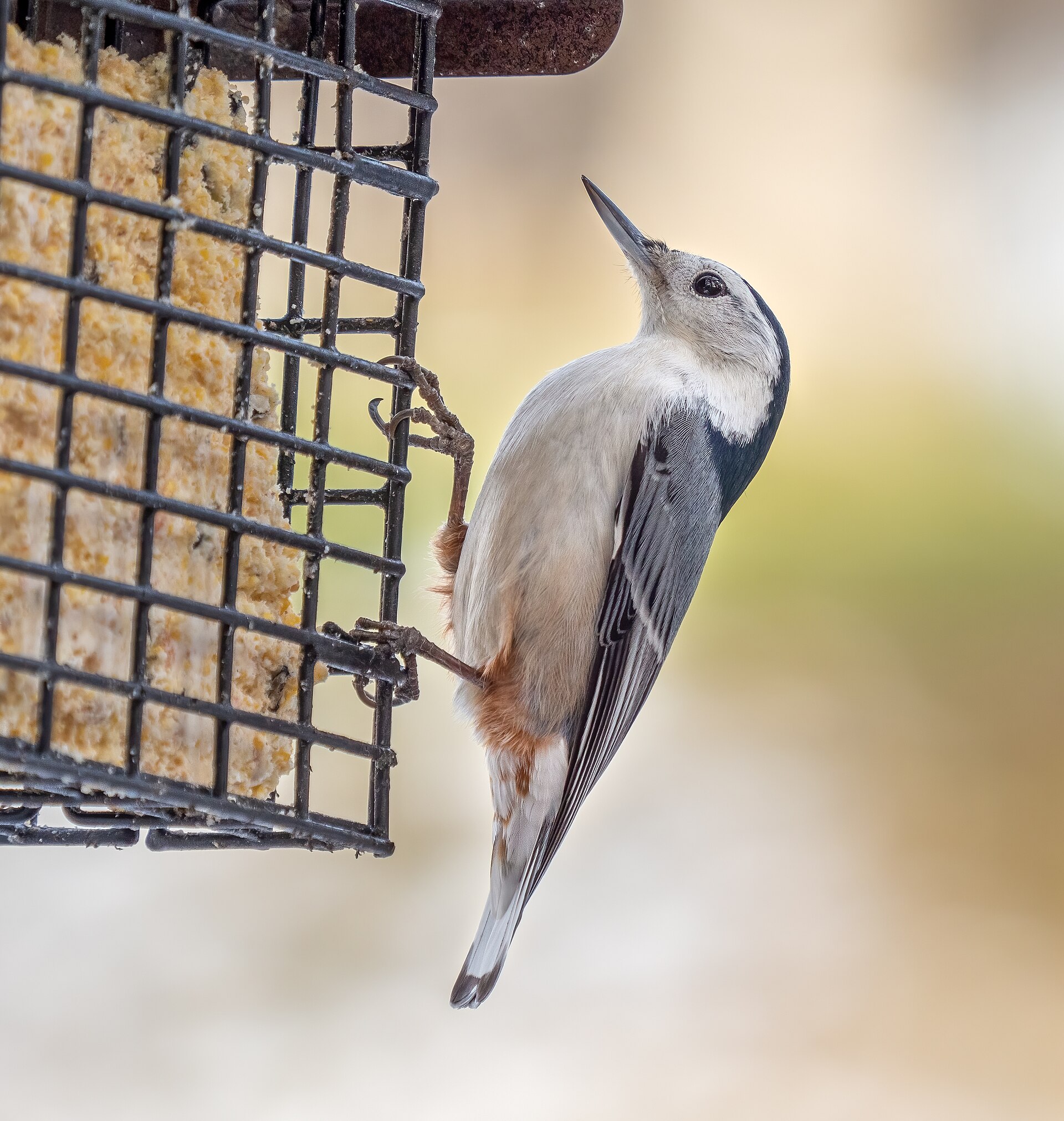
The White-breasted Nuthatch is a gray-backed bird with a white face and belly, a black cap, and a long, thin bill. It climbs head-first down tree trunks, looking for insects in the bark. It is common year-round in Ohio woods and yards with big trees. Its call is a nasal “yank-yank.” Nuthatches come to sunflower seeds, peanuts, and suet, and they often take a seed to a crack in the bark and hammer it open. They stay in pairs all year and are often heard before they are seen.
Downy Woodpecker
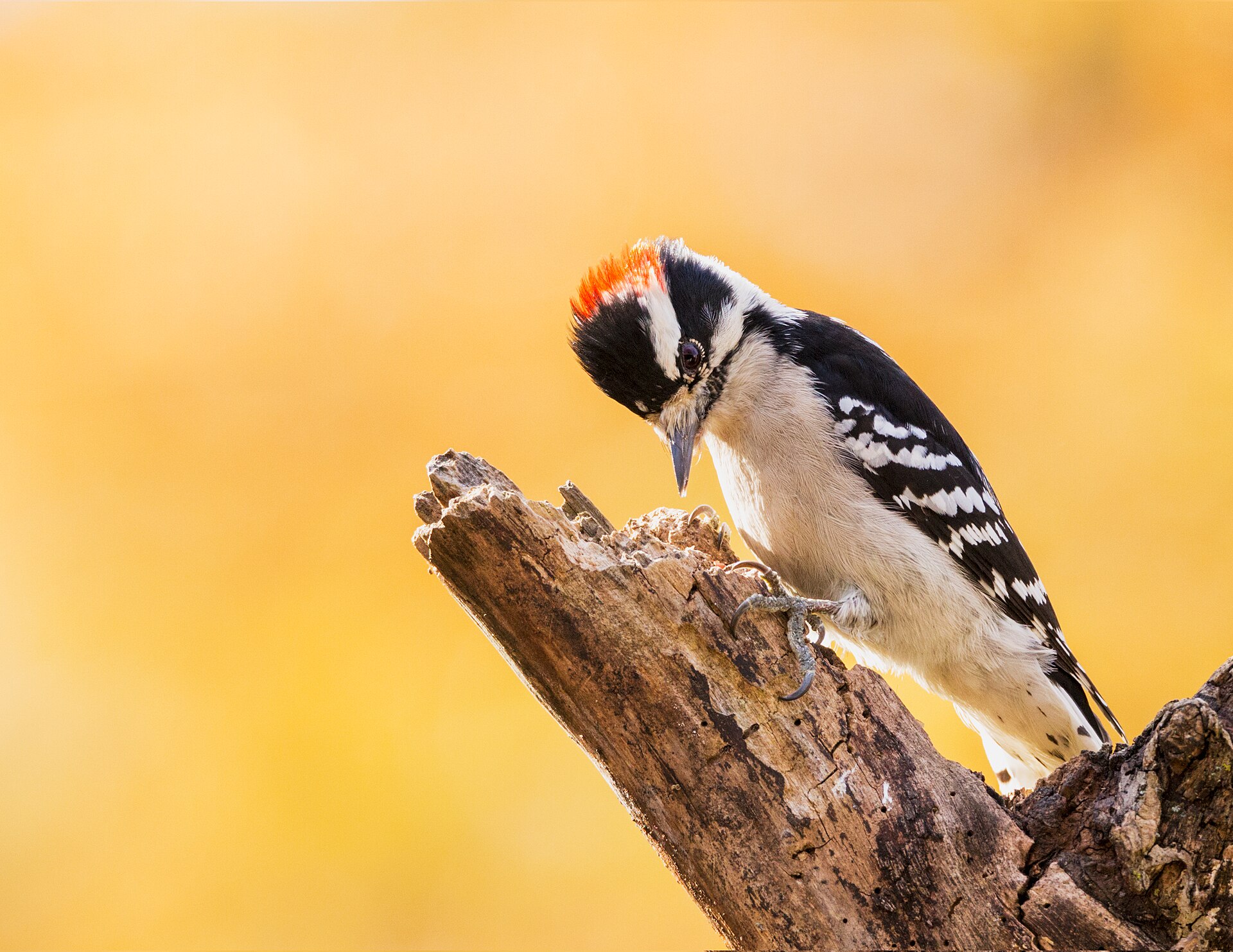
The Downy Woodpecker is the smallest woodpecker in Ohio, black and white with a white back and a small red patch on the back of the head in males. It is common in yards, parks, and woodlots across the state and is one of the most frequent visitors to suet feeders. It looks very similar to the larger Hairy Woodpecker, but its bill is much shorter. Downies will also come to sunflower hearts and peanuts. In winter, they sometimes pick insects out of goldenrod galls and other weed stems.
Red-bellied Woodpecker
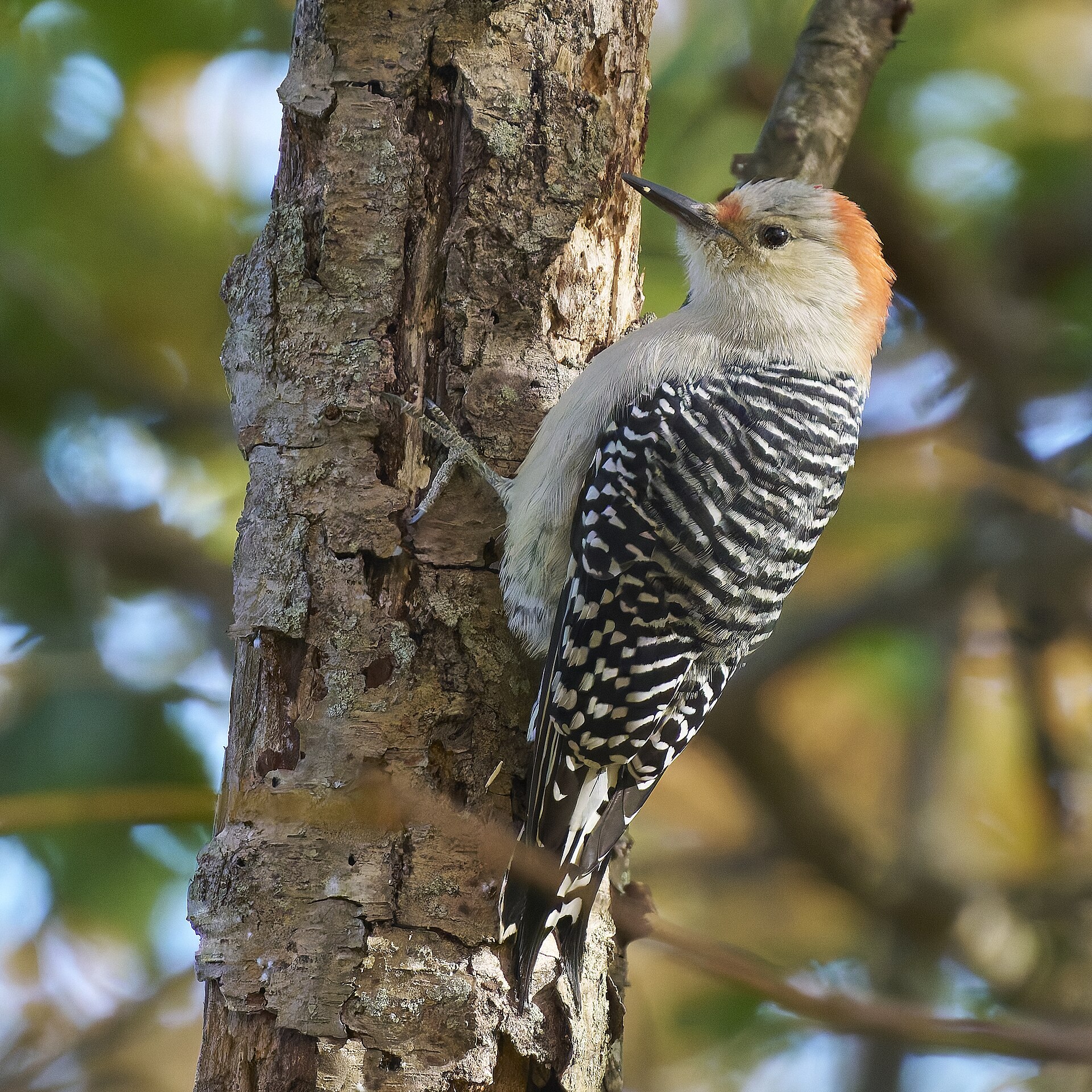
The Red-bellied Woodpecker is a medium-sized woodpecker with a black-and-white barred back, a pale gray-tan face and belly, and a red cap that runs down the back of the neck in males. The red belly the name refers to is only a faint pink wash and hard to see. It is common all over Ohio, especially in wooded suburbs. Red-bellies love suet, peanuts, and sunflower seeds, and also eat fruit and acorns. Their loud, rolling “churr” call is one of the most common woodland sounds in Ohio.
Blue Jay
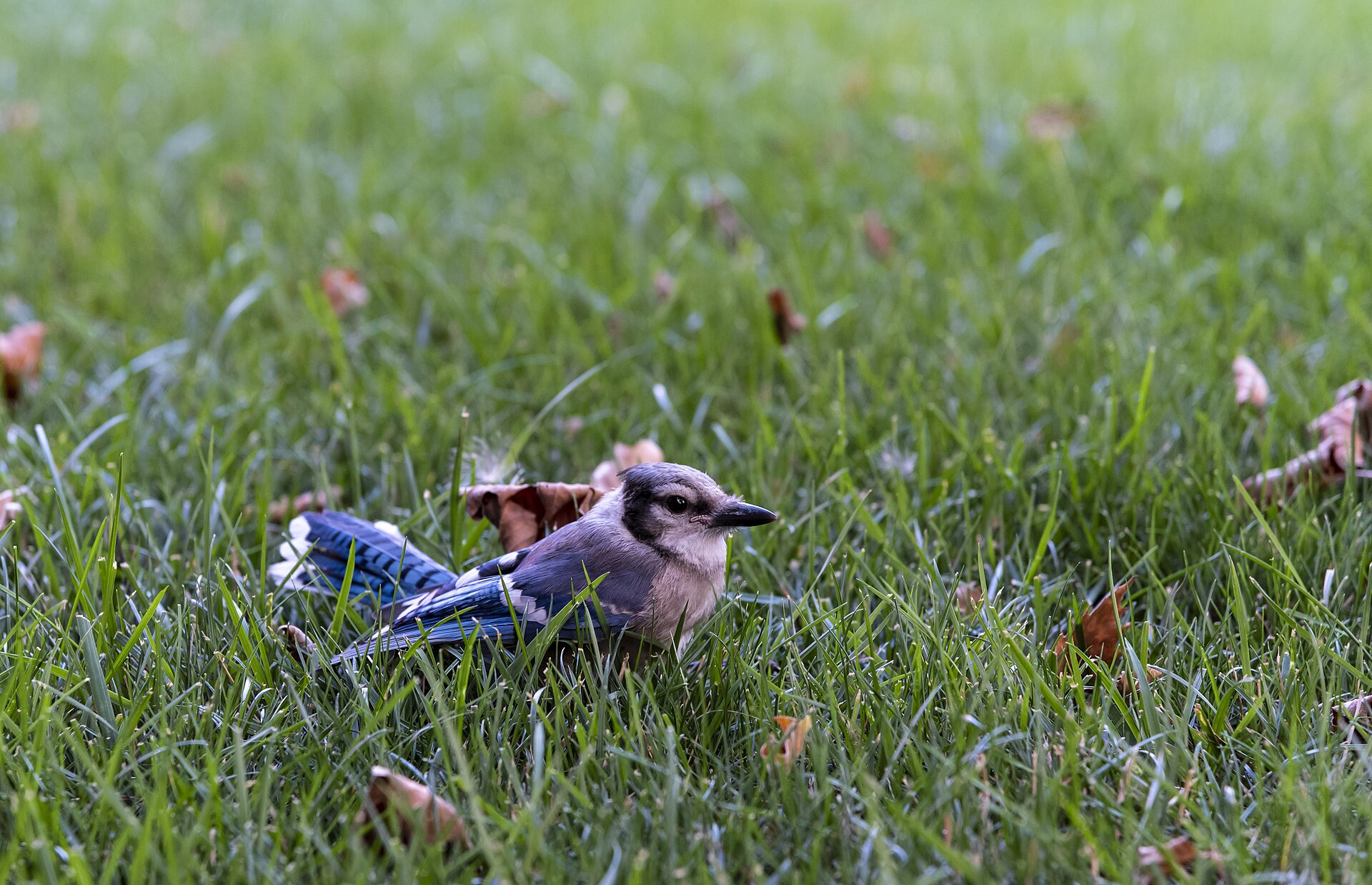
The Blue Jay is a large, crested songbird with blue upperparts, white underparts, and a black necklace. It is common year-round in Ohio, though many birds migrate along the Lake Erie shore in spring and fall. Blue Jays are smart and noisy, and they often mimic the calls of Red-shouldered and Red-tailed Hawks. They like peanuts, sunflower seeds, and acorns, which they bury to eat later. A platform feeder with whole peanuts is a good way to attract them.
American Goldfinch
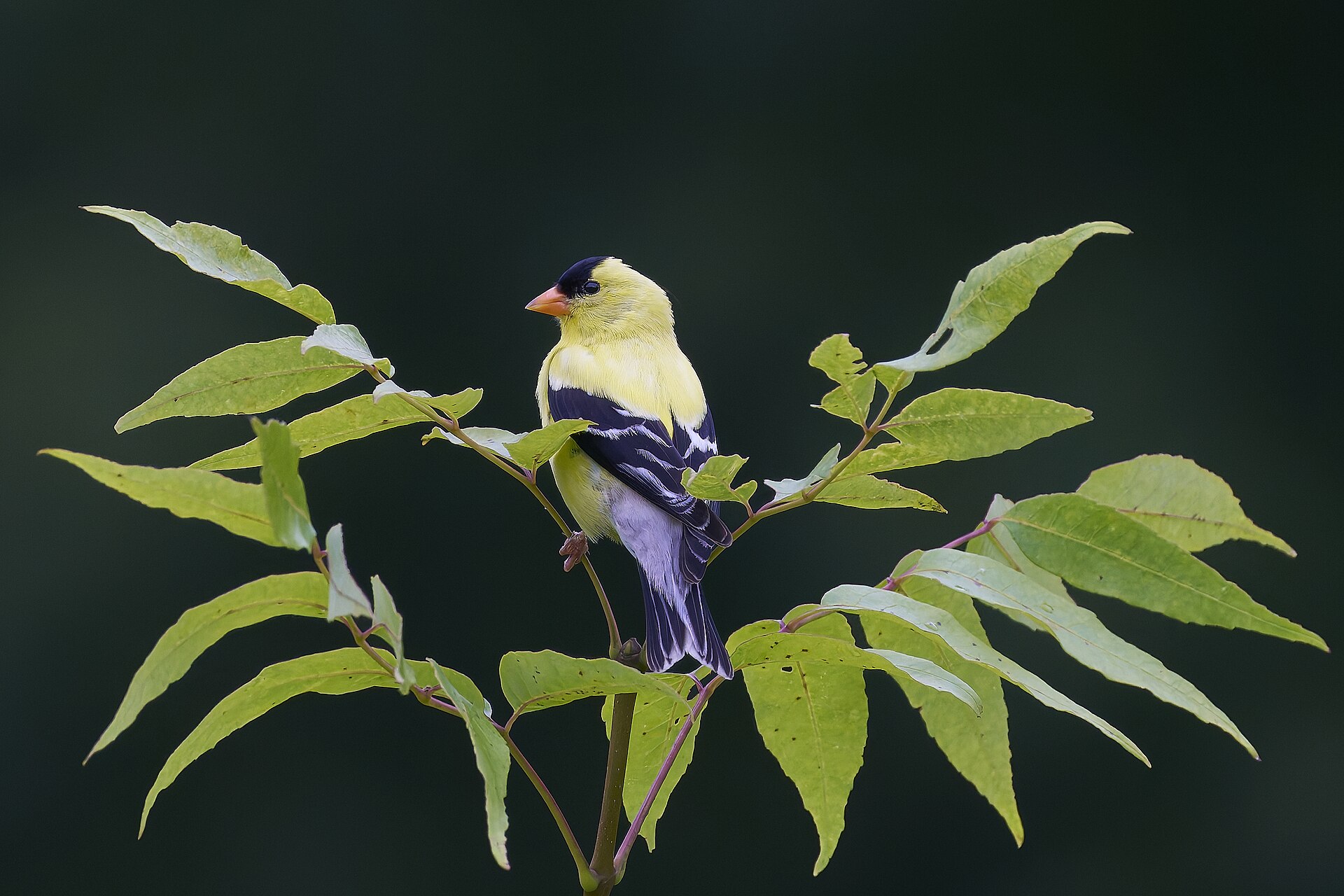
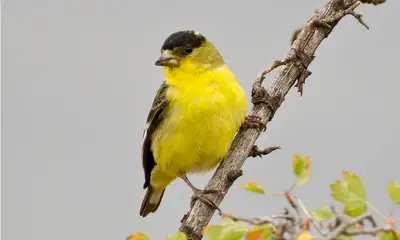
The American Goldfinch is a small finch with a short, cone-shaped bill. In summer the male is bright yellow with a black cap and black wings; in winter both sexes are olive-brown. Goldfinches are common year-round in Ohio and nest late in the summer, when thistles and other plants have gone to seed. They love nyjer and sunflower chips, and often visit in small flocks. Letting coneflowers and other seed heads stand in the garden into fall will give them natural food.
Carolina Wren
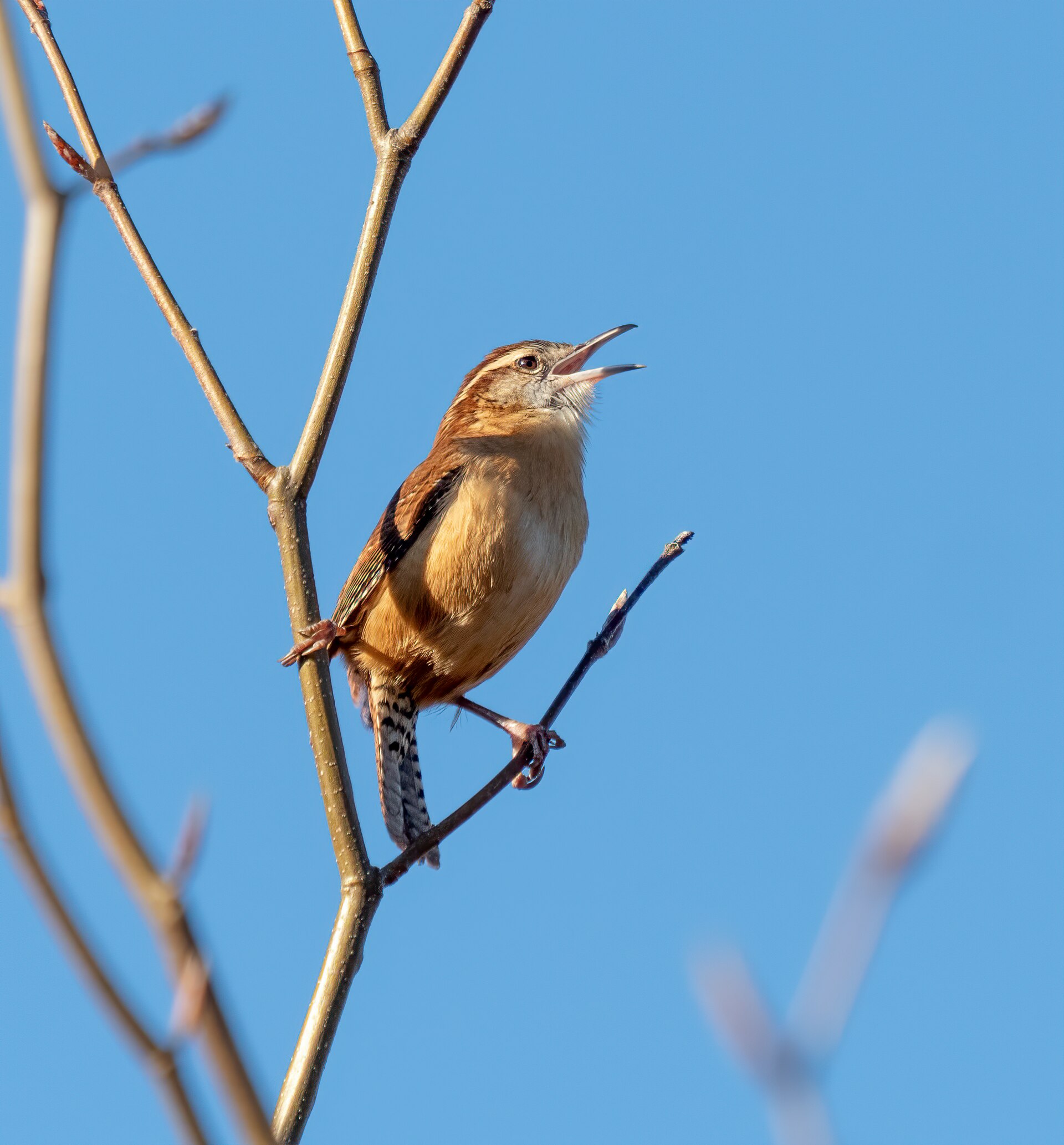
The Carolina Wren is a small, round bird with a rusty-brown back, a buff belly, a long white eyebrow, and a tail often cocked upward. It is common year-round in Ohio, especially in the south, and is known for its loud “teakettle-teakettle-teakettle” song, which it sings in every season. Carolina Wrens are sensitive to harsh winters, and their numbers in northern Ohio drop after very cold, snowy years. They come to suet, peanut butter, and mealworms, and they often nest in odd places around houses, like old boots or flower pots.
Dark-eyed Junco
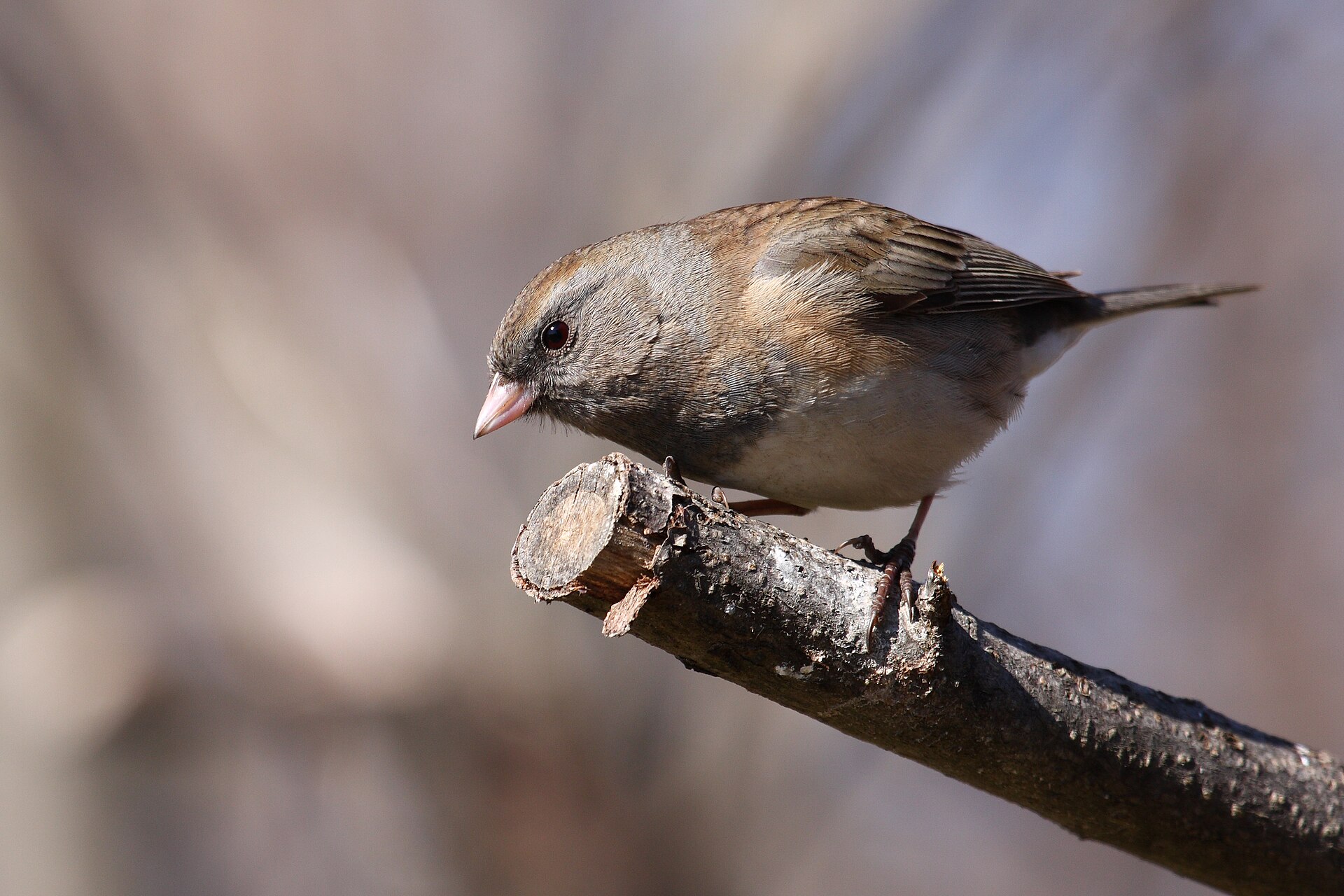
The Dark-eyed Junco is a small sparrow with a slate-gray back and head, a white belly, a pale pink bill, and white outer tail feathers. In Ohio, it is mainly a winter bird, arriving in October and leaving in April, though a few nest in the far northeast. Juncos feed on the ground, often in small flocks, and are among the first birds to appear under feeders after a snowfall. They like millet and mixed seed scattered on the ground or on a low platform.
Eastern Bluebird
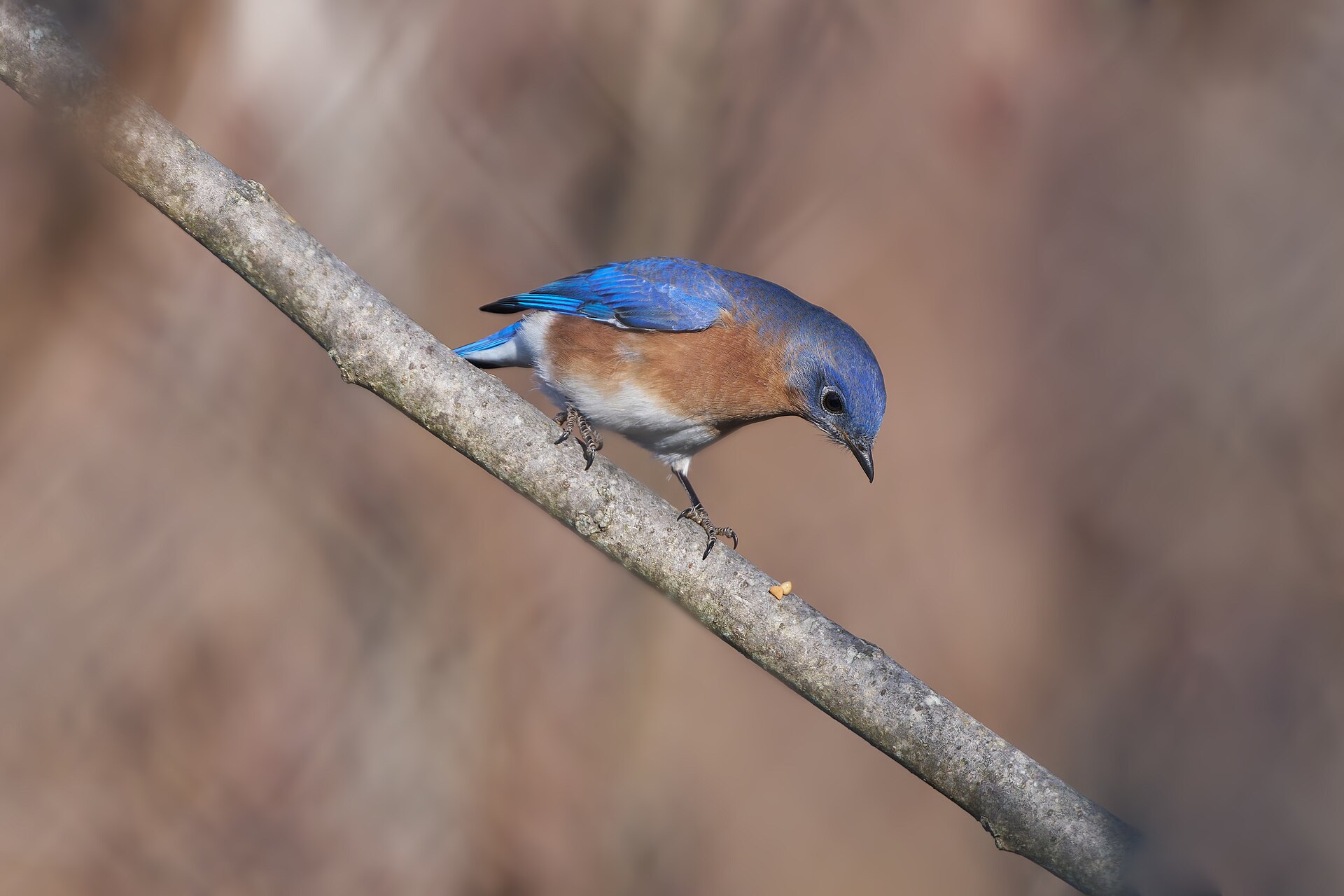
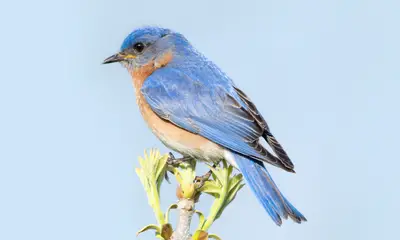
The Eastern Bluebird is a small thrush; the male is bright blue on top with a rusty throat and breast, and the female is grayer with a softer wash of color. Bluebirds live in open country with scattered trees, like farms, parks, and golf courses. Their numbers dropped in the mid-1900s, partly because of competition for nest holes with House Sparrows and European Starlings, but nest box trails set up across Ohio have helped them recover. They do not usually eat seed, but will come to mealworms and suet and will nest in a box placed on a post in an open area.
Ruby-throated Hummingbird
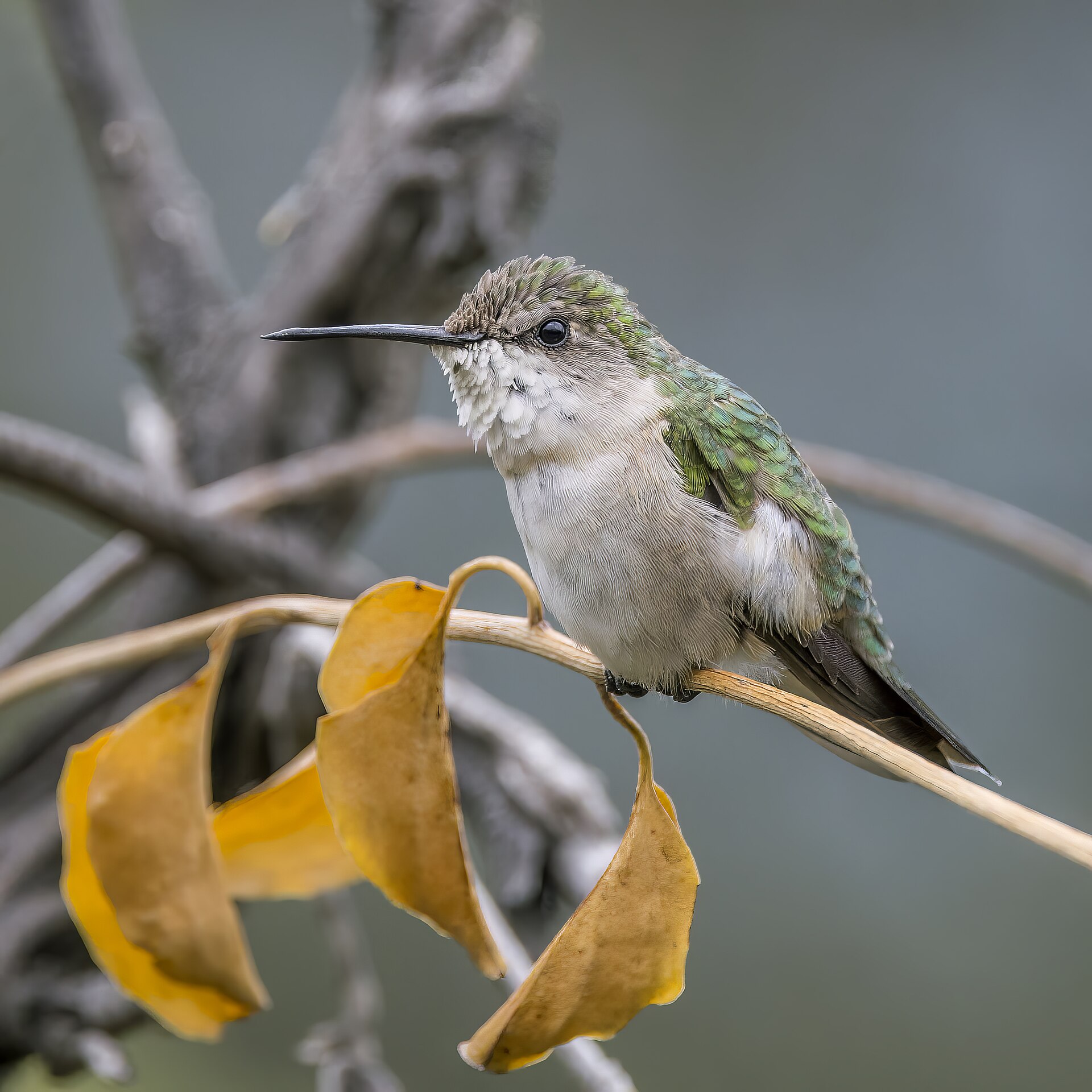
The Ruby-throated Hummingbird is the only hummingbird that nests in Ohio. The male has a green back and a red throat that flashes in the light; the female has a white throat. They arrive in Ohio in late April and early May and leave in September. Ruby-throats visit nectar feeders and flowers like bee balm, cardinal flower, and trumpet honeysuckle. A simple mix of one part sugar to four parts water is all they need; change it every few days in hot weather.
Prothonotary Warbler
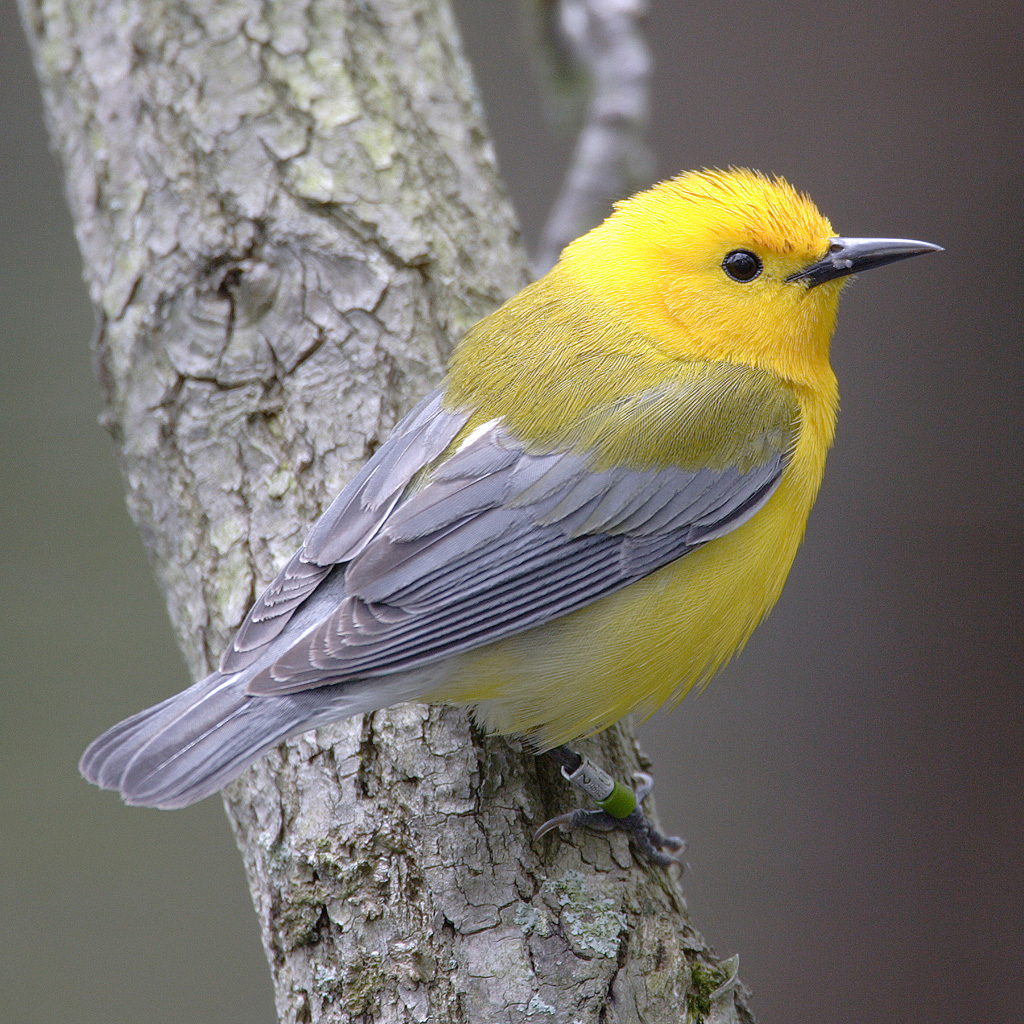
The Prothonotary Warbler is a bright golden-yellow warbler with blue-gray wings and a dark eye. It nests in wooded swamps and along slow-moving rivers, often in holes over water, and it is one of the few warblers that nests in cavities. In Ohio it is found along the Lake Erie marshes, the Ohio River, and other wet woods, arriving in late April. It does not visit feeders, but it will use nest boxes placed over water. Magee Marsh is one of the easiest places to see one in May, and the boardwalk crowds usually stop dead when one starts singing its loud, ringing “sweet-sweet-sweet” from a snag a few feet away. Ohio birders have put up boxes for them along several rivers and reservoirs, and some of those boxes get used year after year.
Getting Started
A basic Ohio setup starts with a tube or hopper feeder full of black oil sunflower, a suet cage, and a nyjer feeder for goldfinches. Add safflower for cardinals if squirrels and grackles are a problem, and scatter millet on the ground for juncos and sparrows. A hummingbird feeder and a few orange halves in spring will attract summer birds, and a heated birdbath helps in winter. Place feeders near shrubs or trees for cover, and close to windows or far from them to prevent collisions. Clean them every couple of weeks, more often in wet weather.
After that, the state is easy to explore. Magee Marsh in May, the eagles along Lake Erie in winter, the Hocking Hills for warblers in June, and the chickadee line running right through the middle. Ohio does not look like a birding destination from the highway. It is one anyway, and most people figure that out one feeder at a time.
Sources
Species identification, range, and behavior details are cross-checked against the Cornell Lab of Ornithology’s All About Birds, the National Audubon Society, eBird’s Ohio regional data, and the Ohio Department of Natural Resources, Division of Wildlife.