
Bird Symbolism A-Z: 39 Common Species
Common backyard and garden birds carry some of the most widely recognized symbolism in birdwatching — a Cardinal at the feeder, a Robin in spring, a Dove overhead. This guide gathers the meaning behind 39 familiar species in one place. Jump to any species below.
Jump to a Species
- Cardinal
- Blue Jay
- Robin
- Hummingbird
- Sparrow
- Crow
- Raven
- Dove
- Swan
- Heron
- Woodpecker
- Goose
- Duck
- Finch
- Mockingbird
- Kingfisher
- Bluebird
- Swallow
- Quail
- Chickadee
- Penguin
- Parrot
- Canary
- Rooster
- Pelican
- Magpie
- Stork
- Loon
- Peacock
- Flamingo
- Wren
- Sandhill Crane
- Whooping Crane
- Avocet
- Oystercatcher
- Bunting
- Warbler
- Cowbird
- Blackbird
Cardinal Meaning and Symbolism
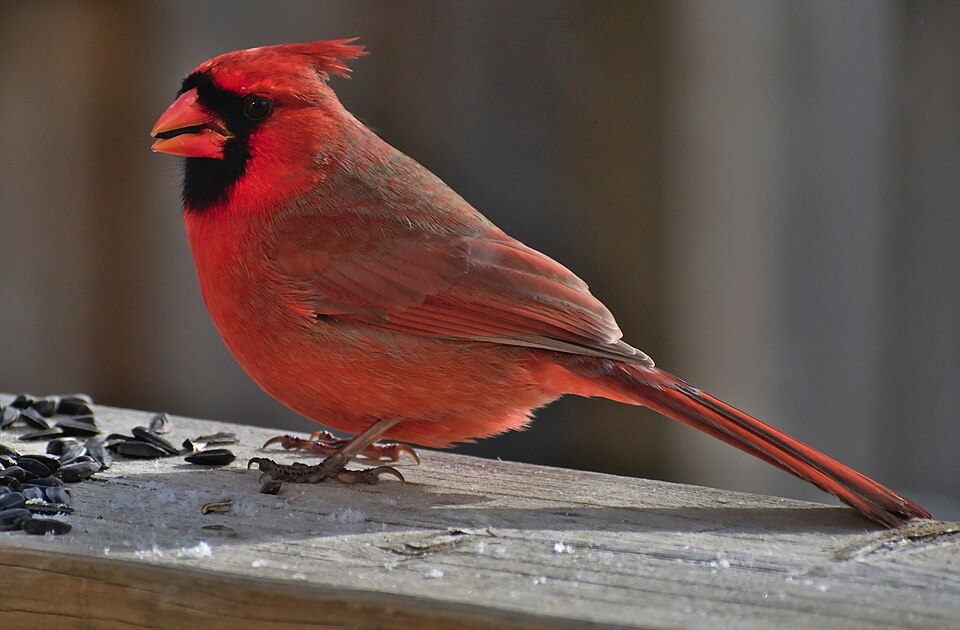
A cardinal showed up at my window feeder the same week my grandmother passed, and I’ll admit it stopped me in my tracks. Turns out I’m far from the only one who’s had that experience — the idea that a cardinal sighting means something has been around for a long, long time. The short version: cardinals symbolize love, devotion, and visits from loved ones who’ve passed Across a lot of folklore and modern spiritual belief, seeing a Northern Cardinal is thought to be a sign that a deceased loved one is checking in on you — especially if the bird shows up at a meaningful moment, like a birthday, anniversary, or funeral. You’ll see this idea all over social media and in greeting cards: “When a cardinal appears, a loved one is near.” That specific saying doesn’t have a documented origin going back centuries — it’s more of a modern folk belief that picked up steam over the last few decades, probably helped along by how strikingly red and visible cardinals are against snow and bare winter branches, exactly when people are most likely to be thinking about loss. Where the deeper symbolism comes from Cardinals get their name from the red robes worn by Catholic cardinals, and that color association carries a lot of the symbolic weight.
Blue Jay Meaning and Symbolism
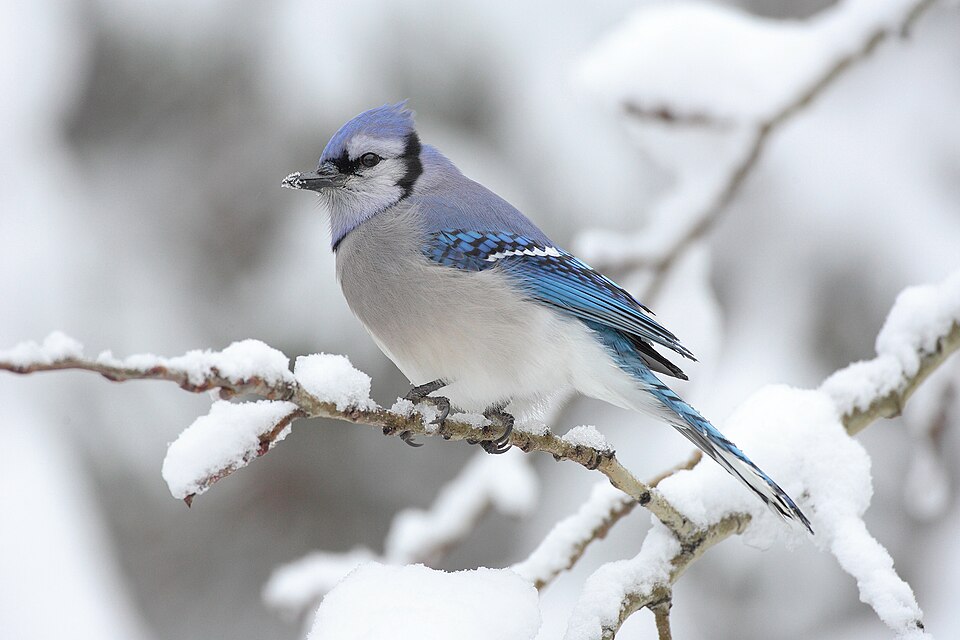
A blue jay dive-bombed my cat off the porch railing last summer, screeching the whole time, and it got me curious about what these birds actually represent in folklore — turns out there’s a lot more nuance to it than the “loud backyard bully” reputation suggests. The short version: clarity, communication, and fearless honesty Blue Jays are widely associated with clear communication, confidence, and speaking your mind — largely because of how vocal and expressive the bird actually is. Anyone who’s spent time around Blue Jays knows they’re not shy about announcing themselves, mimicking hawk calls, or scolding anything that gets too close to their territory. In a lot of modern spiritual and folk interpretations, seeing a Blue Jay is taken as a nudge to speak up about something you’ve been holding back, or a sign that you need to communicate more directly in a relationship or situation. Protection and loyalty Blue Jays are also tied to protection and loyalty, which tracks with their actual behavior — they’re famous for mobbing hawks, owls, and cats that wander too close to a nest, and they’ll sound alarm calls that warn every other bird in earshot, not just their own kind. That watchdog behavior is where a lot of the “protective” symbolism comes from.
Robin Meaning and Symbolism
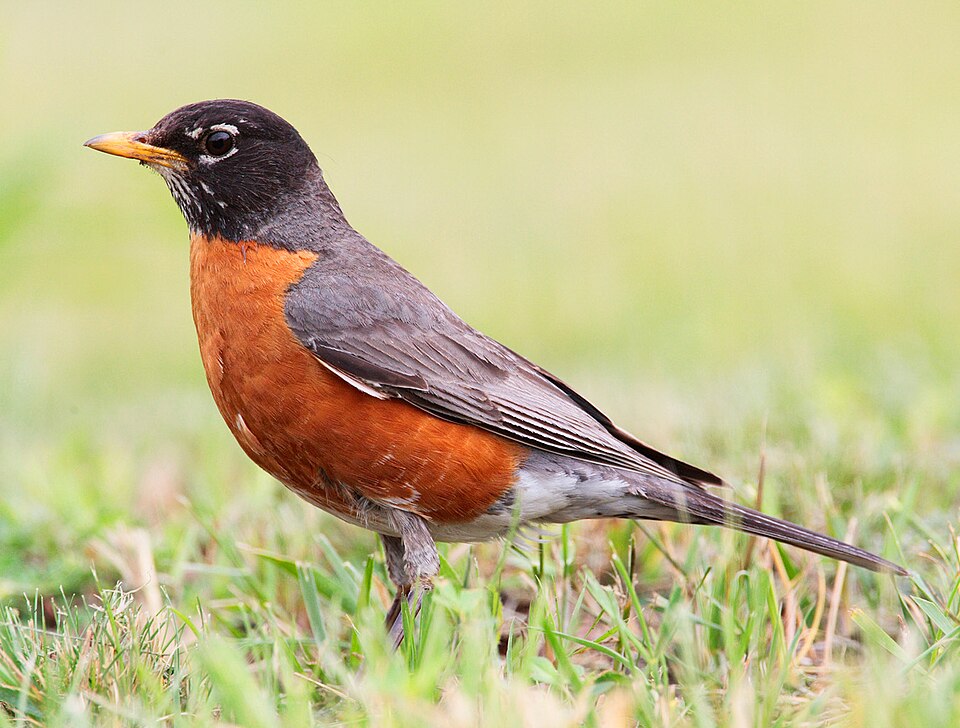
The first American Robin of the year always feels like a small event where I live — neighbors mention it, people post about it online, and there’s a reason that habit goes back generations: robins have been read as a sign of spring for about as long as anyone’s been paying attention to birds. The short version: renewal, new beginnings, and hope Robins are one of the most widely recognized symbols of spring and renewal across North American and European folklore. Seeing one — especially the first one after winter — is traditionally taken as a sign that better days, fresh starts, or good news are on the way. That association isn’t just poetic license. American Robins genuinely do shift their behavior with the seasons — they become far more visible on lawns and in gardens as the weather warms, which is exactly when people are most eager for a sign that winter is loosening its grip. Why “the first robin of spring” isn’t quite accurate Here’s a wrinkle worth knowing: in a lot of the American Robin’s range, the bird doesn’t actually migrate away for winter — it just becomes harder to spot.
Hummingbird Meaning and Symbolism
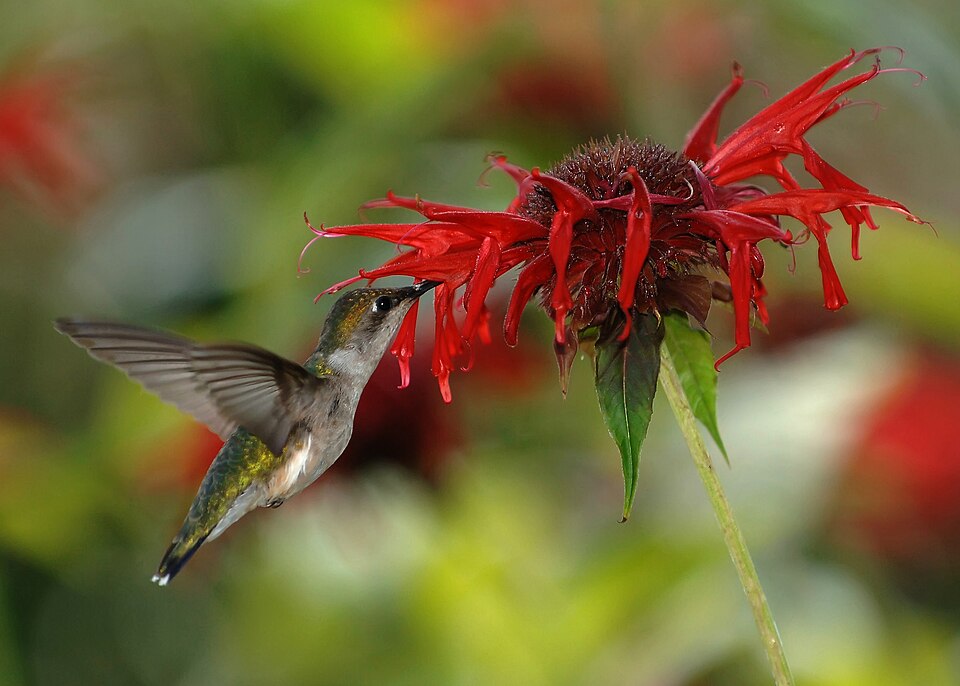
A hummingbird hovered inches from my face one morning while I was watering the porch flowers, held perfectly still for a few seconds, and then darted off — it’s one of those encounters that feels too deliberate to just be a coincidence, even though I know exactly why it happened (the flowers, obviously). The short version: joy, resilience, and living in the present Hummingbirds are widely associated with joy, playfulness, and finding lightness even in difficult circumstances. A lot of that comes directly from how the bird actually behaves — hummingbirds are constantly in motion, seem to approach everything with curiosity, and have a visible enthusiasm for life that’s hard not to project meaning onto. In many modern interpretations, a hummingbird sighting is read as a nudge to slow down and appreciate small pleasures, or as a sign that you’re capable of getting through something difficult with more grace than you expect. Why resilience specifically? This part actually tracks with real biology. Hummingbirds have one of the highest metabolisms of any animal on Earth — their hearts can beat over 1,200 times a minute during flight, and they need to eat roughly every 10 to 15 minutes while awake just to survive.
Sparrow Meaning and Symbolism
A pair of House Sparrows built a nest in the gap above my porch light two summers running, and I’ll admit I never gave them much thought beyond mild annoyance about the mess. It wasn’t until I looked into the symbolism afterward that I realized how much weight this small, unremarkable-looking bird has carried across history. The short version: community, resourcefulness, and finding joy in ordinary things Sparrows are widely associated with community, hard work, and contentment with simple things. A lot of that symbolism comes directly from watching how sparrows actually live — they’re highly social, nest and forage in groups, and thrive in ordinary, unglamorous environments like parking lots, hedgerows, and building eaves rather than needing anything exotic. A long history of religious symbolism Sparrows show up specifically in the Christian Bible as a symbol of God’s attention to even the smallest, most overlooked creatures — the idea being that if God notices something as ordinary as a sparrow, He notices everything. That passage has made sparrows a recurring symbol of divine care and humility in Christian art and tradition for roughly two thousand years.
Crow Meaning and Symbolism
A crow left a bottle cap on my windowsill a few years back — not once, but repeatedly, over several weeks, always after I’d put out a bit of bread. I know now that this is a documented crow behavior, but at the time it genuinely felt like the bird was trying to tell me something. Turns out that instinct isn’t new; people have been reading meaning into crow behavior for thousands of years. The short version: intelligence, transformation, and a genuinely mixed reputation Crows carry some of the most contradictory symbolism of any bird — sometimes read as an omen of death and bad luck, sometimes as a symbol of wisdom, transformation, and even good fortune. Which meaning you land on depends heavily on which tradition you’re drawing from, and there isn’t a single “correct” answer. Why crows get linked to death The death association goes back a long way in European folklore, partly because crows (and ravens) are scavengers that would gather at battlefields and gravesites where carrion was available. That real-world association between crows and human death got woven into stories over centuries, eventually hardening into the “bad omen” reputation that still shows up in a lot of Western pop culture today.
Raven Meaning and Symbolism
There’s a pair of ravens that work the ridge above a trailhead I hike sometimes, and they’re unmistakably different from the crows in the parking lot below — bigger, shaggier at the throat, and they don’t so much caw as croak, a deep, rolling sound that carries the whole way down the slope. The first time I heard it up close I understood immediately why so many cultures decided this particular bird meant something. Ravens and crows get lumped together constantly, but the raven has built up its own, much darker mythology — one that runs from Norse gods straight through to Edgar Allan Poe. Bottom line The raven is most commonly associated with prophecy, death, and hidden knowledge, showing up across wildly separated cultures — Norse, Native American, Celtic, and English — as a messenger between worlds rather than a simple omen of doom. The pattern holds together better than most bird folklore because it tracks something real: ravens are genuinely among the most intelligent birds on the planet, and early observers noticed. Odin’s ravens and the seat of knowledge In Norse mythology, the god Odin kept two ravens, Huginn (“thought”) and Muninn (“memory”), who flew out across the world each day and returned to whisper everything they’d seen into his ears.
Dove Meaning and Symbolism
A pair of Mourning Doves showed up at my wedding reception, of all places, landing on a fence right as the ceremony wrapped up. My grandmother, who noticed before anyone else, got visibly emotional about it. I didn’t think much of it at the time, but doves carry more symbolic weight than almost any other bird — and it’s worth understanding why. The short version: peace, love, and the Holy Spirit Doves are probably the single most universally recognized symbol of peace on Earth, alongside being closely tied to love, purity, and — in Christianity specifically — the Holy Spirit. Few birds carry symbolism this consistent across so many unrelated cultures and religious traditions at once. Where the “peace” symbolism actually comes from The dove-as-peace-symbol traces back specifically to the story of Noah’s Ark in the Bible, where Noah releases a dove to search for dry land after the flood; it returns carrying an olive branch, signaling that the waters had receded and the danger had passed. That single image — a dove with an olive branch — has been reused as a peace symbol for thousands of years, and it’s still instantly recognizable today, from Picasso’s famous peace dove illustration to countless flags, logos, and murals.
Swan Meaning and Symbolism
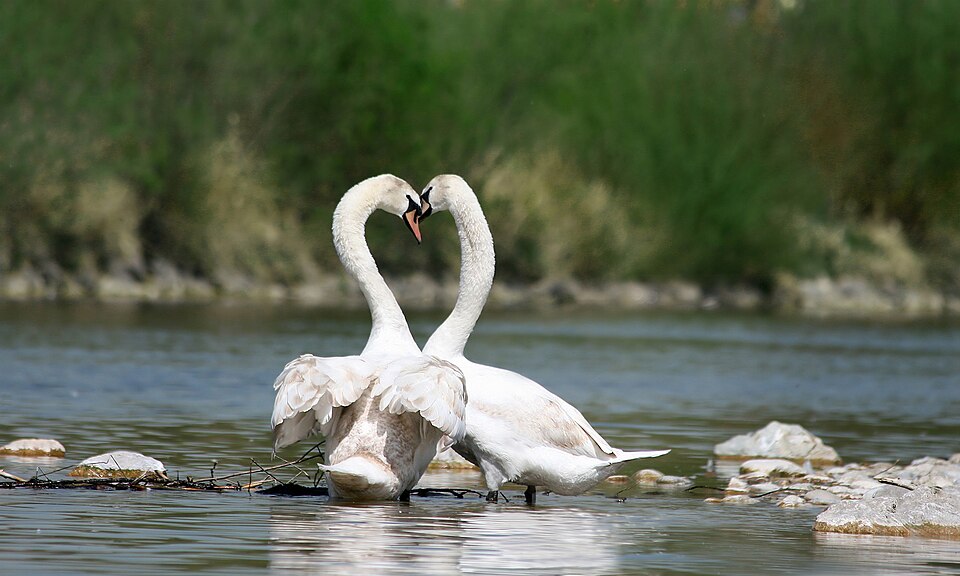
A pair of Mute Swans showed up on the pond at my in-laws’ place every spring for years, and the thing that always struck me wasn’t just how they looked gliding across the water — it was that the same two birds kept coming back together, year after year. That kind of visible, lasting pair bond is basically the whole foundation of swan symbolism. The short version: love, loyalty, and grace under pressure Swans are one of the most widely recognized symbols of love and devotion in the animal kingdom, largely because they’re famous for forming long-term, often lifelong pair bonds. Their curved necks, when two swans face each other, naturally form a heart shape — an image that’s been used in wedding decor, greeting cards, and romantic art for centuries, precisely because it didn’t need much embellishment to begin with. The “effortless grace” isn’t actually effortless There’s an old saying — sometimes attributed to various sources, though the exact origin is unclear — about a swan looking serene on the surface while paddling furiously underwater. Whether or not that specific phrase is centuries old, it captures something real about swan symbolism: swans are read as a model for maintaining composure and grace while doing genuinely hard work out of sight.
Heron Meaning and Symbolism
A Great Blue Heron stood absolutely motionless at the edge of a pond near my house for what must have been twenty minutes straight, waiting for something I couldn’t see under the surface. When it finally struck, it was fast enough that I nearly missed it. That contrast — total stillness, then a single decisive motion — is basically the whole reason herons show up so often in symbolism about patience. The short version: patience, self-reliance, and stillness that pays off Herons are widely associated with patience, solitude, and the idea that quiet, deliberate waiting eventually gets results. Almost every reading of heron symbolism traces back to the same real behavior: herons hunt by standing perfectly still in shallow water for long stretches, conserving energy and waiting for fish or frogs to come within striking range rather than chasing prey down. Why “self-reliance” specifically? Unlike a lot of water birds that flock, herons are largely solitary hunters. A Great Blue Heron will defend its individual fishing spot from other herons, and you’ll rarely see a large group of them actively hunting together the way you might see gulls or pelicans working a school of fish.
Woodpecker Meaning and Symbolism
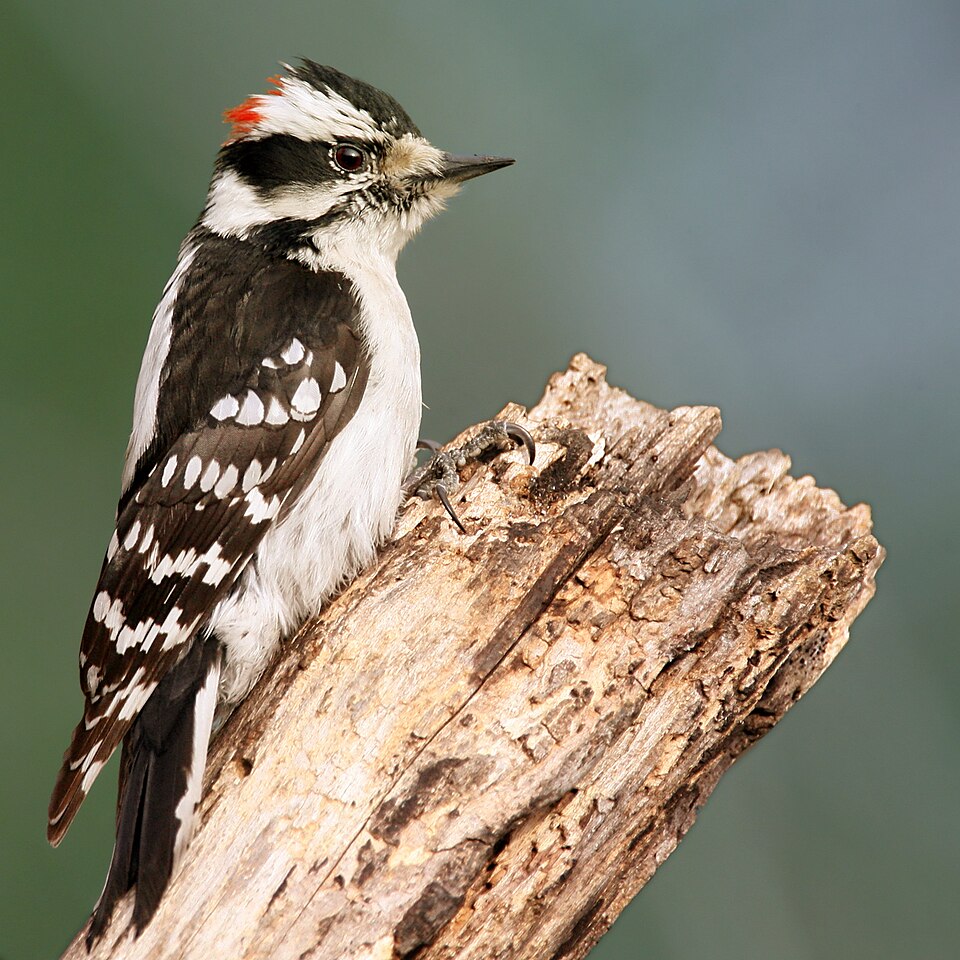
A Pileated Woodpecker went to work on a dead oak in my yard at 6 a.m. one morning, loud enough that it genuinely startled me awake — and loud enough that I understood, for the first time, why this bird has been treated as such a significant omen across so many different cultures. The short version: opportunity, persistence, and drumming up new beginnings Woodpeckers are widely associated with opportunity, persistence, and the idea of “knocking” on a new phase of life. That symbolism connects directly and obviously to the bird’s most famous behavior — literally knocking, over and over, until it gets through to what it’s after. The biology behind the persistence symbolism A woodpecker can strike a tree trunk up to 20 times per second and thousands of times in a single day, at forces that would cause serious brain injury in almost any other animal. Woodpeckers survive this thanks to a specialized skull structure — a spongy bone layer that absorbs shock, a narrow space between brain and skull that limits movement, and a long tongue that wraps around the skull, acting almost like an internal seatbelt for the brain. Researchers have actually studied woodpecker skulls for ideas that could improve human helmet design.
Goose Meaning and Symbolism
Every fall, I hear them before I see them — that ragged, honking chorus drifting down from somewhere overhead, and I still stop whatever I’m doing to crane my neck and find the V. There’s something about a goose skein cutting across a grey sky that gets people who otherwise couldn’t tell a warbler from a wren to stop and point. It’s one of the few pieces of nature that reads as unmistakably meaningful even to someone who’s never thought about birds a day in their life. At a glance Geese are widely seen as symbols of loyalty, teamwork, and safe journeys, largely because of two very visible behaviors: they mate for life, and they migrate in tightly organized formations that look, to just about anyone watching, like cooperation in action. Why the V-formation became a symbol of teamwork The honking and the shape aren’t decoration — they’re function, and that function is exactly what turned geese into a go-to metaphor for teamwork. Flying in a V reduces wind resistance for every bird behind the leader, since each goose gets a small aerodynamic boost from the wingtip vortex of the bird ahead of it.
Duck Meaning and Symbolism
A mallard hen raised eleven ducklings in the drainage ditch behind my office building one spring, and for about six weeks the entire parking lot organized itself around not disturbing her — grown adults in business clothes tiptoeing wide detours around a bird a fraction of their size. There’s something about a duck visibly managing a family that gets past people’s usual indifference to wildlife, and it turns out that reaction has a long symbolic history behind it. The gist Ducks are widely associated with adaptability, protection, and emotional resilience — largely because of their comfort moving between water, land, and air, and because of the strong, visible devotion ducks show toward their ducklings. Why “adaptability” specifically Few birds are functionally competent in as many environments as ducks: they swim efficiently, walk (if awkwardly) on land, and fly well enough that many species migrate thousands of miles twice a year. That triple competence made ducks a natural symbol across various traditions for flexibility and the ability to move comfortably between different circumstances or emotional states — a reading reinforced by the old saying about criticism rolling “like water off a duck’s back,” which is grounded in actual biology, not just a turn of phrase (see below).
Finch Meaning and Symbolism
My daughter got a house finch nest tucked into a hanging plant on our porch two summers ago, and what struck me wasn’t the nest itself but how the male’s color seemed to change depending on the light and, we later found out, depending on what he’d been eating. A house finch that had spent the winter near a particular berry bush was noticeably more orange than the deep red ones a few blocks over, which is a strange thing to learn about a bird most people barely register at their feeder. The quick take Finches, especially colorful species like the House Finch and Goldfinch, are generally seen as symbols of joy, positivity, and simple contentment — a fairly gentle, uncomplicated symbolism compared to birds with heavier mythological baggage, rooted mostly in their cheerful color and pleasant, warbling song. Why finches get the “simple happiness” reading Unlike birds tangled up in centuries of specific myth (ravens, owls, cuckoos), finches largely avoided heavy symbolic baggage, and what associations they do have tend to be modern and fairly literal: bright color plus cheerful song equals a symbol of everyday joy rather than anything more layered.
Mockingbird Meaning and Symbolism
A Northern Mockingbird took up residence outside my college dorm window one spring, and for about three weeks straight it ran through what sounded like the entire soundtrack of the neighborhood — a car alarm, someone’s ringtone, a couple of other birds I could actually identify, and one sound I never did place. I lost a lot of sleep over that bird, but I also couldn’t stay mad at it once I found out how much effort it takes to build a repertoire like that. The short answer Mockingbirds are widely associated with innocence, and more specifically with the idea of a harmless creature that only brings good into the world — a reputation cemented largely by one enormously influential American novel, alongside older folk associations with cleverness and versatility rooted in their famous vocal mimicry. How “To Kill a Mockingbird” defined the modern symbolism Harper Lee’s 1960 novel is almost entirely responsible for the “innocence” reading that dominates how Americans think about this bird today. The book’s central metaphor, explained directly in the text, is that mockingbirds “don’t do one thing but sing their hearts out for us” and cause no harm, making it “a sin to kill a mockingbird” — a stand-in for innocent people destroyed by cruelty or prejudice despite doing nothing wrong.
Kingfisher Meaning and Symbolism
I used to sit on a dock most summer evenings hoping to catch a Belted Kingfisher working the shallows, and most of the time all I got was the call — a loud, rattling chatter that carries way further than the bird itself ever seems to. When it finally shows, it’s usually a blur: perched dead still on a branch overhanging the water, then a sudden drop, a splash, and it’s back on the perch with a minnow before I’ve fully registered what happened. That combination — long stillness followed by one perfectly timed strike — is basically the entire foundation of what kingfishers have symbolized across a surprising number of unconnected cultures. The quick take Kingfishers are widely associated with calm, prosperity, and peace, most famously through the Greek myth that gave us the phrase “halcyon days.” The symbolism tracks the bird’s real behavior more closely than most animal folklore does — a creature that waits in complete stillness and strikes with total precision has an obvious appeal as a symbol of patience rewarded.
Bluebird Meaning and Symbolism
My neighbor put up an Eastern Bluebird nest box in her yard three summers ago, mostly on a whim, and when a pair actually moved in she texted me a photo like she’d won something. Looking back, I think she basically had — bluebirds have been a stand-in for good fortune for so long that watching one choose your yard feels like a small verdict in your favor, even if you don’t consciously believe in the symbolism. Bottom line Bluebirds are one of the most consistently positive symbols in Western folklore, representing happiness, hope, and renewal — most famously through the phrase “bluebird of happiness,” which comes from a specific early-20th-century play rather than ancient myth. Where “the bluebird of happiness” actually comes from The phrase is often assumed to be old folklore, but it traces to a fairly specific source: Maurice Maeterlinck’s 1908 play “The Blue Bird” (L’Oiseau bleu), in which two children search the world over for a bluebird that will bring happiness, only to realize at the end that the bird was in their own home all along. The story became enormously popular, was adapted into multiple films, and effectively created the modern idiom almost single-handedly — a rare case of a symbol with a documented, traceable birth date rather than a murky folk origin.
Swallow Meaning and Symbolism
Every year the swallows come back to the eaves of a barn near my uncle’s farm, rebuilding the same mud nests in the same corners they used the year before, and every year he tells me the same story about how a swallow returning to your house is supposed to mean good luck for the whole year. I never quite believed the luck part, but after watching the same birds find their way back to the same six-inch patch of barn wood from thousands of miles away, “good luck” started to feel like an undersell. At a glance Swallows are widely seen as symbols of loyalty, homecoming, and good fortune, largely because of their extremely strong tendency to return to the exact same nesting site year after year, and because of an old, widespread nautical tradition treating swallow tattoos as symbols of a safe journey home. The sailor’s swallow tattoo tradition One of the most recognizable pieces of old nautical folklore is the swallow tattoo: sailors traditionally earned or chose to get a swallow tattoo (often after sailing 5,000 nautical miles) as a symbol of experience, and a second one after another 5,000 miles, since the birds were seen as a sign that land, and home, wasn’t far off.
Quail Meaning and Symbolism
A covey of California Quail used to cross the trail near my parents’ house every evening at almost the exact same time, single file, topknot bobbing on the lead bird like a little exclamation point. There’s something about a whole family moving together in that tight, orderly line that reads as instantly protective, and it turns out that reaction to quail behavior is thousands of years old and shows up in a genuinely unexpected place: the Bible. What it comes down to Quail are widely associated with protection, family unity, and providence — the idea of unexpected sustenance arriving when it’s needed most — largely because of their tight family groupings and a specific, famous biblical story involving quail feeding a starving population. The biblical quail story In the Book of Exodus, after the Israelites complain of hunger during their journey through the wilderness, God provides both manna and a massive flock of quail that descends on the camp, providing meat when none seemed available. The story (repeated with variations in Numbers) established quail as a symbol of divine providence — help arriving exactly when it’s most needed, often described as almost miraculous in its timing.
Chickadee Meaning and Symbolism
A Black-capped Chickadee landed on my open palm once at a nature center, after I’d been standing there so still my arm was shaking, and it grabbed a single sunflower seed and left in under two seconds — no hesitation, no lingering, just a quick, businesslike transaction. That’s basically the entire chickadee personality in one moment: fearless enough to trust a giant stranger, but efficient enough not to waste time being sentimental about it. Quick answer Chickadees are widely seen as symbols of cheerfulness, courage, and truthfulness, largely because of their fearless, curious behavior around people and their cheerful, easily-recognized calls — qualities that made them a favorite subject in Native American storytelling long before backyard feeders existed. Why “truthfulness” specifically? This is the more unusual piece of chickadee symbolism, and it traces to a specific Native American tradition: several Northeastern nations, including some Wabanaki traditions, told stories in which the chickadee is a truth-teller, contrasted against tricksters or liars in the same story cycles. One recurring theme has the chickadee warning others honestly about danger, in contrast to birds like the jay who might mislead for their own benefit. The chickadee’s small size and directness — nothing about it reads as scheming — may have made it a natural stand-in for straightforward honesty in these stories.
Penguin Meaning and Symbolism
A nature documentary showing an Emperor Penguin colony huddled through an Antarctic winter storm, thousands of birds slowly rotating positions so no single penguin stayed on the exposed outer edge too long, stuck with me longer than almost anything else I’ve watched about animal behavior. It’s rare to see something that looks so much like a deliberate, coordinated act of mutual survival, and it turns out that impression is basically accurate. Bottom line Penguins are widely associated with cooperation, resilience, and devoted partnership, symbolism drawn from genuinely documented huddling behavior in extreme cold and from the strong, often long-term pair bonds many penguin species form. The huddle: cooperation as literal survival strategy Emperor Penguins breed and incubate eggs through the Antarctic winter, facing temperatures that can drop below negative 40 degrees Fahrenheit with hurricane-force winds, and survive largely through a huddling behavior where thousands of birds pack tightly together, rotating in a slow-moving formation so that individuals on the freezing outer edge gradually cycle toward the warmer center. Studies using thermal imaging have found the core of a huddle can be dramatically warmer than the outside air temperature, and the constant, gradual rotation means no single bird bears the worst conditions for the entire storm — a genuinely cooperative thermoregulation strategy with few equivalents elsewhere in the animal kingdom.
Parrot Meaning and Symbolism
A friend of mine inherited her grandmother’s African Grey parrot, a bird that had apparently outlived two family pets and picked up an unsettling habit of imitating the exact ringtone of her grandmother’s old landline, decades after the phone itself was gone. She said the first time it happened in her apartment, she genuinely answered an invisible phone before catching herself. That’s the parrot’s whole cultural reputation in one anecdote — something that copies human sound so convincingly it briefly fools you into forgetting it’s an animal. Cutting to it Parrots are widely seen as symbols of communication, wisdom, and imitation — sometimes read positively as intelligence and connection, sometimes more critically as a warning against empty repetition or copying without understanding, depending on the tradition. The “wisdom and communication” reading In several South American and Central American Indigenous traditions, parrots and macaws hold significant symbolic status, associated with the sun, communication with the divine, and vibrant vitality — likely influenced by their extraordinarily bright plumage and their prominent role in the region’s ecosystems. In some Hindu traditions, the parrot is associated with Kama, the god of love and desire, and appears as a companion or vehicle in some iconography, tied to themes of passionate communication.
Canary Meaning and Symbolism
My grandmother kept a canary in her kitchen for as long as I can remember, and I always assumed it was just a nice, easy pet until she casually mentioned that her own grandfather had used the exact same species down in a coal mine to check whether the air was safe to breathe. That gap between “cheerful kitchen pet” and “literal early-warning safety device” is about as wide as animal symbolism gets, and canaries have somehow carried both roles at once for over a century. Cutting to it Canaries are widely associated with happiness, cheerfulness, and warning — two readings that sound contradictory but both come from real, well-documented uses of the bird: as one of the most popular cage birds in history prized for its song and color, and as a literal early-warning system for toxic gas in coal mines. The happy, cheerful reading Domesticated canaries, bred from the wild Atlantic Canary native to the Canary Islands, Azores, and Madeira, became enormously popular pets across Europe starting in the 16th century, prized specifically for the male’s loud, complex, and highly trainable song.
Rooster Meaning and Symbolism
My grandfather kept chickens for most of his life, and the one thing I remember clearest is that his rooster never actually crowed only at dawn the way every cartoon and folk saying implies — it crowed whenever it felt like asserting itself, including at 2 a.m. for no reason anyone could identify. That gap between the tidy folklore and the messier reality is a pretty good summary of rooster symbolism in general: the reputation is built on a kernel of real behavior, exaggerated into something a lot more poetic than the actual bird. At a glance Roosters are widely seen as symbols of vigilance, courage, and the arrival of a new day, appearing across an unusually wide range of unrelated cultures — from ancient Greece and Rome to Christian iconography to Chinese zodiac tradition — almost always tied to their crowing and to their willingness to fight. Why so many separate cultures landed on the same bird Roosters were domesticated early and spread globally faster than almost any other animal humans kept, which means an unusually large number of independent cultures had daily, close-up exposure to the exact same behavior: a loud, confident call that (roughly) preceded sunrise, and a willingness to aggressively defend territory.
Pelican Meaning and Symbolism
There’s a fishing pier near where I used to stay on the Gulf Coast where the same Brown Pelican showed up every evening around the time the charter boats came back in, perched on a piling waiting for scraps like it had a standing reservation. It never begged the way gulls do — just sat there, patient, huge bill tucked in, until someone finally tossed something its way. There’s something almost dignified about a bird that size just waiting. Pelicans carry one of the stranger, more specific pieces of symbolism in the bird world — not freedom, not death, but self-sacrifice, so specific it ended up as actual Christian religious iconography for over a thousand years. Cutting to it The pelican has stood for self-sacrificing love and providence since at least medieval Europe, built almost entirely around one vivid, completely wrong idea about its biology: that a mother pelican pierces her own breast to feed her starving chicks with her own blood. That single myth turned the pelican into one of the most direct visual symbols of Christ’s sacrifice in Christian art, and it still shows up today — on the Louisiana state flag, of all places. Where the myth actually comes from The real biology has nothing to do with blood.
Magpie Meaning and Symbolism
A single magpie showed up in my in-laws’ yard the week before a rough diagnosis in the family, and my mother-in-law, only half joking, immediately said “one for sorrow” and looked genuinely unsettled by it. A few months later two magpies turned up together and she visibly relaxed — “two for joy.” I hadn’t realized until that moment how seriously some people still take a counting rhyme most Americans have never even heard. The magpie might have the most geographically split symbolism of any bird on this list — genuinely good luck in one part of the world, and a bad omen worth counting carefully in another. At a glance In Western Europe, magpies are tied to an old counting superstition (“one for sorrow, two for joy…”) and a reputation as thieves drawn to shiny objects. In China and Korea, the exact same bird means almost the opposite: joy, good news, and reunited love. Both traditions are hundreds of years old, and neither one has any real connection to the other — they developed independently around the same species.
Stork Meaning and Symbolism
The first time I saw a White Stork nest, it wasn’t in some storybook illustration — it was a massive, untidy pile of sticks sitting on top of a chimney in a small European town, easily the size of a kiddie pool. A local told me the family living underneath considered it good luck and had left that chimney unused for three generations just so the storks would keep coming back. That’s when I realized the “storks deliver babies” thing wasn’t just a cartoon joke. Somewhere along the way, an actual bird got tangled up with actual human hopes about actual children, and the story stuck around for centuries. In short Storks are almost universally linked to childbirth, new beginnings, and good fortune in the home. The specific “stork brings the baby” story is European in origin, but the broader idea — that storks are lucky, faithful, and somehow tied to family — shows up in cultures far beyond where that fairy tale ever traveled.
Loon Meaning and Symbolism
The first time I heard a Common Loon at night, camping on a lake in northern Wisconsin, I genuinely sat up in the tent thinking something was in distress. That wavering, tremolo call carrying across still water in the dark is one of the loneliest sounds I’ve ever heard come out of an animal, and I’ve since learned I’m far from the first person to have that exact reaction — it’s the same sound that convinced entire cultures the bird was speaking to something beyond the physical world. The gist Loons are widely associated with solitude, calmness, and connection to the spirit world, largely because of their haunting, unmistakable calls and their strong presence in Native American and Norse mythology as messengers between worlds or symbols of tranquil wilderness. Why the call did most of the symbolic work Loons have four distinct calls, but the wail and the tremolo are the ones that built the reputation — the wail is often compared to a wolf’s howl, and the tremolo (sometimes called the “loon’s laugh”) has a slightly manic, quavering quality that carries for miles over open water, especially at dusk and through the night.
Peacock Meaning and Symbolism
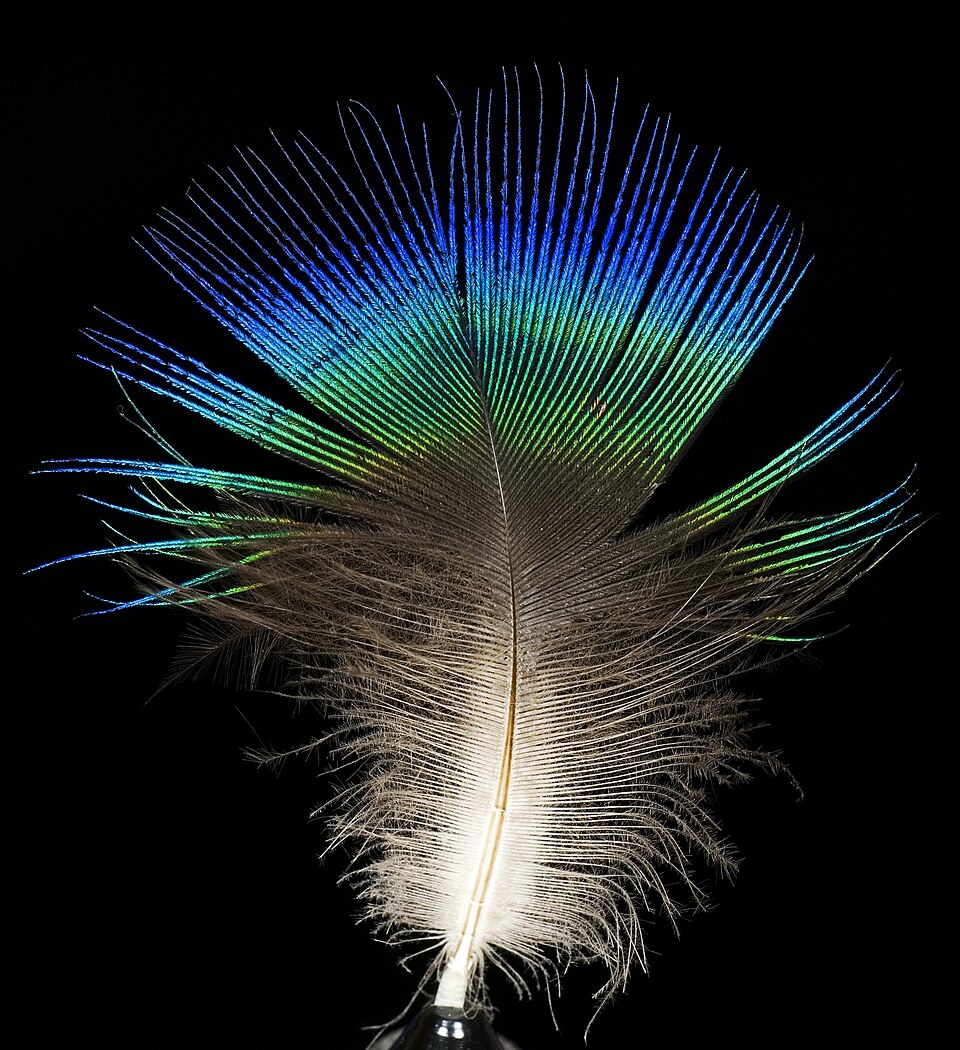
I saw a peacock fan its tail at a small zoo once, and the sound alone caught me off guard before the display even fully opened — a low rattle from the feathers themselves, followed by that enormous wall of eyespots. It’s a genuinely startling thing to witness up close, and it’s not hard to see why peacocks became shorthand for showing off. The short version: pride, beauty, and confidence — sometimes read as vanity Peacocks are almost universally associated with beauty, pride, and confidence, and just as often with vanity and showiness in a less flattering sense. Both readings come from the exact same behavior: the male’s elaborate tail display, which exists for one specific biological reason — attracting a mate. A quick clarification: it’s not actually the tail The famous fan isn’t the peacock’s tail at all — it’s an extended set of upper tail covert feathers that grow dramatically long and can be raised and spread into that iconic display. The actual tail feathers underneath are comparatively short and act as a support structure. It’s a small technical detail, but it’s the kind of thing that makes the display even more impressive once you know a peacock is essentially raising a second, purpose-built ornament rather than just fanning its normal tail.
Flamingo Meaning and Symbolism
My grandmother had a pair of plastic pink flamingos stuck in her front lawn for as long as I can remember, faded from decades of sun, and I never once thought to ask why until I actually saw wild flamingos years later, standing in a huge silent crowd in shallow water, every one of them balanced on a single impossibly thin leg. The lawn ornament suddenly made a lot more sense — there’s genuinely nothing else in nature that looks quite like that. Flamingos carry a lighter, more upbeat set of symbolism than most birds on this list — less death and prophecy, more balance, joy, and community, which tracks pretty well with how the bird actually behaves. The short answer Flamingos are widely associated with balance, community, and celebration, plus a strong thread of sun-and-renewal symbolism going back to ancient Egypt. Much of the modern symbolism — joy, flamboyance, good vibes — is a relatively recent cultural development tied to their unmistakable color and their popularity as a decorative motif, rather than anything ancient. Why they’re actually pink Flamingos aren’t born pink and don’t produce the color themselves at all — it comes entirely from their diet.
Wren Meaning and Symbolism
A Carolina Wren built a nest in an old boot I’d left on my back porch one spring, and for weeks I tiptoed around my own doorstep so I wouldn’t spook a bird that weighs less than a slice of bread. What struck me wasn’t just the nerve of nesting somewhere so exposed — it was the sheer volume of noise this tiny thing made every morning, loud enough that I assumed at first it had to be something much bigger. That gap between how small wrens are and how outsized their presence feels turns out to be exactly what an old legend is built on. The short answer Wrens are widely seen as symbols of cleverness, resourcefulness, and the idea that being small doesn’t mean being insignificant. The most famous version of this is a European folk legend in which the wren outsmarts every other bird to become “king of the birds,” despite being one of the tiniest. The “king of birds” legend Versions of this story appear across Celtic, Aesopic, and broader European folklore, and the basic plot is consistent: the birds hold a contest to decide who will be their king, and they agree whoever flies highest will win.
Sandhill Crane Meaning and Symbolism
Standing in Nebraska at dawn while several hundred thousand Sandhill Cranes lifted off the Platte River at once, the sound alone — a rolling, rattling chorus that seemed to come from everywhere — explained why so many cultures treated this bird as something closer to weather than wildlife. The gist Sandhill Cranes are associated with longevity, fidelity, and vigilance across Native American and East Asian traditions, symbolism built on real biological traits: cranes can live several decades, form pair bonds that often last for life, and gather in the tens of thousands during migration in ways few other North American birds do. An ancient migration, an ancient bird Fossil evidence places Sandhill Crane ancestors in North America going back roughly 2.5 million years, making it one of the oldest known living bird species still recognizable in the fossil record. Many Native American nations along the crane’s migratory corridor incorporated the bird into dance and ceremony, often centered on its elaborate courtship display. The biology behind the myth That crane dance — leaping, wing-flapping, bowing, sometimes tossing sticks into the air — isn’t purely courtship either; cranes of all ages dance year-round, a behavior thought to relieve stress and strengthen social bonds beyond mate selection.
Whooping Crane Meaning and Symbolism
Seeing a Whooping Crane on the Texas coast felt less like a birding sighting and more like witnessing a rescue in progress, because in a real sense that’s exactly what it was — I was looking at one of only a few hundred birds standing between the species and extinction. At a glance Whooping Cranes are associated with survival, fragility, and hard-won recovery, symbolism grounded almost entirely in modern conservation history rather than ancient myth, since the species dropped to just 21 wild individuals in 1941 and has been clawing back ever since under some of the most intensive species-recovery efforts ever attempted. A recovery told through costumes and ultralights Because young cranes imprint on whatever raises them, conservationists famously raised captive-bred chicks using human handlers dressed in crane costumes and taught some populations migration routes by leading them south behind ultralight aircraft, a program that became a genuine cultural touchstone for what extreme species recovery can look like. The biology behind the myth Standing nearly five feet tall, the Whooping Crane is North America’s tallest bird, with a wild bugling call that can carry more than a mile across open marsh. Pairs perform elaborate synchronized dancing displays involving leaps, wing-spreading, and bowing, behavior tied to pair bonding that predates any human attention to the species by millennia.
Avocet Meaning and Symbolism
Watching an American Avocet sweep its upturned bill side to side through shallow water like a metal detector, I understood why this bird became the emblem of choice for so many wetland conservation groups — it’s almost impossible to photograph badly. Cutting to it Avocets are associated with grace, precision, and wetland vitality, symbolism grounded in the bird’s genuinely unusual upturned bill and its status as an indicator species — a healthy avocet population is often treated as shorthand for a healthy wetland ecosystem. The bird that became a logo The Avocet’s striking black-and-white plumage and elegant proportions made it a natural choice for conservation branding — the Royal Society for the Protection of Birds in the United Kingdom adopted the Pied Avocet as its official emblem after the species returned to breed in England following decades of local extinction, turning one bird’s recovery into a national conservation symbol. The biology behind the myth That upturned bill isn’t decorative — avocets sweep it side to side just below the water’s surface, using touch rather than sight to detect small invertebrates, a feeding technique called scything that few other shorebirds use. Avocets also nest in loose colonies and will perform a broken-wing distraction display to lure predators away from chicks, a behavior shared with several unrelated shorebird species.
Oystercatcher Meaning and Symbolism
An American Oystercatcher hammered at a mussel on a Georgia sandbar with a precision that looked almost surgical, and it occurred to me that a bird with a tool this specialized for one job was never going to end up as a generic symbol of anything vague. Cutting to it Oystercatchers are associated with skill, specialization, and watchfulness along coastlines worldwide, symbolism built on the bird’s unmistakable bright orange-red bill, a tool shaped by evolution for one narrow purpose that few other birds attempt with the same precision. A bill built for one trade In parts of coastal Europe, the Eurasian Oystercatcher’s loud piping call and bold black-and-white plumage made it a recognizable, almost civic presence on shorelines, occasionally adopted into regional folklore as a symbol of the coast itself rather than tied to a single myth. Its bright bill and piercing alarm calls made it one of the more noticeable shorebirds even to people with no particular interest in birdwatching. The biology behind the myth Oystercatchers actually use two distinct hunting techniques passed down individually rather than instinctively — some birds learn to stab open a shellfish before it can clamp shut, while others learn to hammer the shell until it cracks, and young birds apprentice under their parents to learn which method works on local prey.
Bunting Meaning and Symbolism
An Indigo Bunting once landed on a fence wire close enough that I could see the blue wasn’t really blue at all in the way a bluebird’s blue is blue — it was shifting, almost shimmering, depending on exactly where I stood, which turns out to be the whole secret behind the bird’s reputation. Bottom line Buntings, especially the Indigo Bunting, are associated with vividness, transformation, and a kind of shifting, almost illusory beauty, symbolism rooted directly in the genuine optical trick behind their feather color rather than in any pigment at all. A blue that technically doesn’t exist Indigo Buntings have no blue pigment whatsoever in their feathers. What looks like vivid blue is structural color, produced by microscopic structures in the feather barbs that scatter light in a way that reflects blue wavelengths back to the eye while absorbing others, the same basic physical principle behind the blue of a clear sky. Change the angle or the light and the same feather can look black, gray, or shimmering turquoise instead.
Warbler Meaning and Symbolism
Every spring I try, mostly without success, to keep up with the wave of warblers that passes through my backyard for about two weeks and then vanishes north for the rest of the year. Birders call this stretch “warbler neck” for a reason, and that brief, frantic window of color and motion is basically the whole reason warblers carry the symbolic weight they do. The short answer Warblers are widely associated with renewal, fleeting beauty, and the arrival of spring itself, symbolism drawn almost entirely from their dramatic seasonal appearance rather than from any specific myth or legend tied to one species. A brief, brilliant passage rather than a permanent presence Most of the roughly 50 wood-warbler species in North America spend only a couple of intense weeks passing through any given backyard on their way to and from breeding grounds farther north, arriving suddenly in a burst of yellow, orange, and black plumage that looks almost tropical against a still-bare spring canopy. That briefness is the point: birders build entire calendars around “warbler season” precisely because it doesn’t last, which is exactly the kind of scarcity that turns an ordinary animal into a symbol of renewal.
Cowbird Meaning and Symbolism
The first time I watched a warbler feed a Brown-headed Cowbird chick nearly twice its own size, standing on tiptoe to stuff food into a gaping mouth that clearly didn’t belong to its own species, it looked less like nature and more like an elaborate con. That reaction is basically universal, and it’s exactly why cowbirds have such a lousy cultural reputation. What it comes down to Cowbirds are widely associated with opportunism, deception, and freeloading, symbolism drawn directly from their real and unusual reproductive strategy: they never build a nest of their own, instead laying their eggs in the nests of other bird species and letting unrelated parents raise their young. The reputation is earned, but the story behind it isn’t what it looks like This habit, called brood parasitism, sounds purely predatory, and cowbird eggs really do sometimes outcompete a host’s own chicks for food. But the behavior didn’t evolve out of laziness. Cowbirds get their name because they historically followed massive, constantly moving bison herds across the Great Plains, feeding on insects the herds stirred up.
Blackbird Meaning and Symbolism
There’s a Eurasian Blackbird that sings from the same chimney pot in my aunt’s neighborhood every spring evening, and the first time I really listened to it — not just heard it in the background, but actually stopped and listened — I understood why an entire nursery rhyme got built around “four and twenty blackbirds baked in a pie” being interrupted by them starting to sing. It’s an oddly rich, melodic song for a bird that, from a distance, looks like nothing more than a plain black shape on a rooftop. Quick answer Blackbirds carry a genuinely mixed symbolic history: in Celtic and broader European tradition they’re linked to mystery, transformation, and the thinning of boundaries between worlds, while in some other traditions their all-black plumage attached them to more ominous, death-adjacent associations — a split that mirrors how differently cultures have read the color black on a bird in general. The Celtic “otherworld” connection In Celtic mythology, blackbirds appear repeatedly as messengers or companions tied to the Otherworld, a realm existing alongside the ordinary world and sometimes bleeding into it. One well-known tale involves blackbirds whose singing could lull listeners into a trance-like sleep lasting far longer than intended — a magical, faintly dangerous reading of what is, biologically, just an especially accomplished singer.
Sources
Species identification and behavior details are cross-checked against the Cornell Lab of Ornithology’s All About Birds, the National Audubon Society, and eBird.


