Christmas Bird Count: A Beginner’s Guide to Joining Your First Count
Every December, the same question shows up in birding forums and Facebook groups: how do you actually get in on the Christmas Bird Count? The name makes it sound like a one-day event you either catch or miss, and the sign-up process isn’t always obvious if you’ve never done it before. It’s simpler than it looks, and it’s one of the easiest ways to go from reading about birds to contributing real data about them.
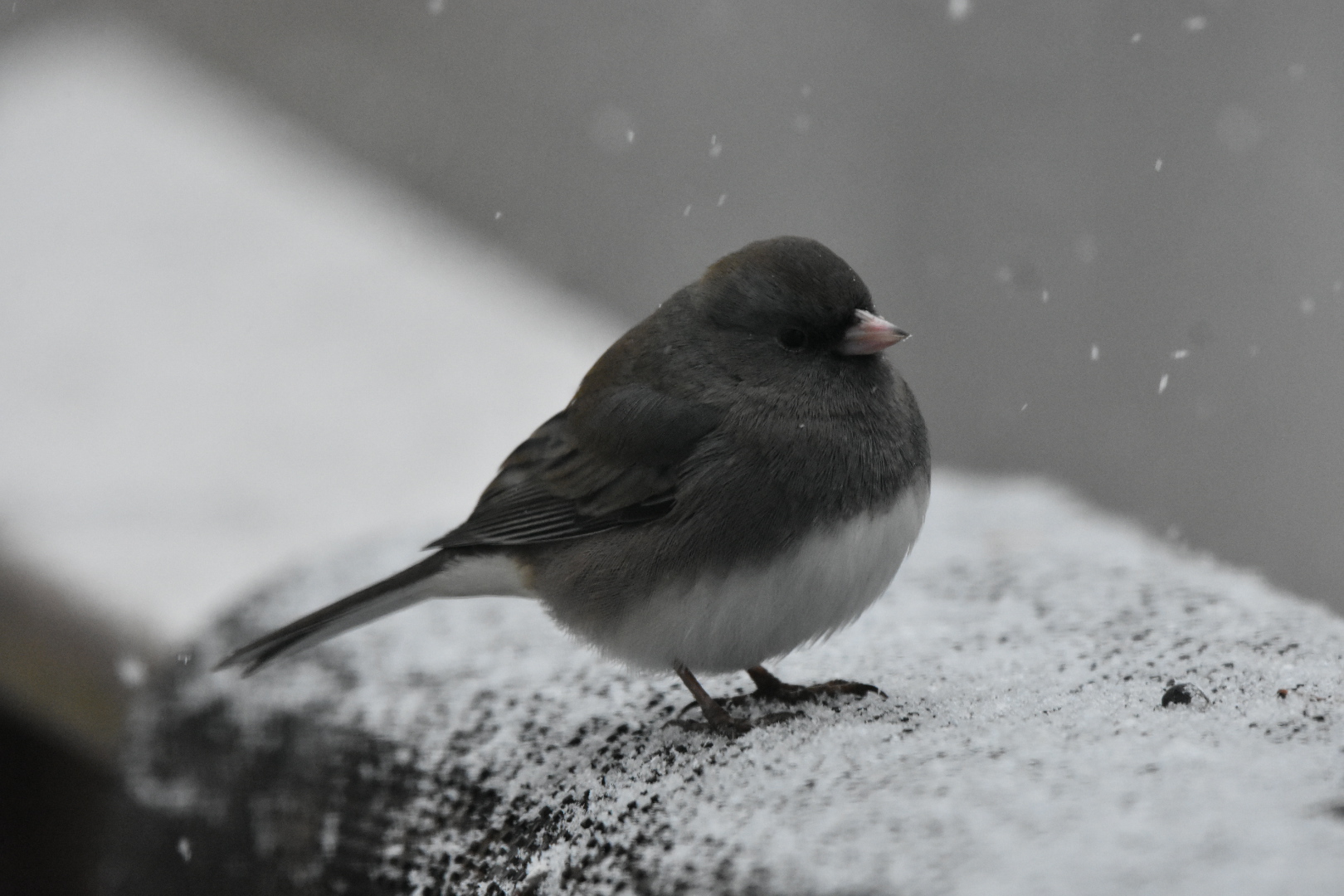
What the Christmas Bird Count actually is
The Christmas Bird Count is a winter bird census run by the National Audubon Society, and it’s been going, without a break, since 1900 — which makes it one of the longest-running wildlife surveys of any kind, anywhere. It isn’t a single count. It’s thousands of local counts happening across the Western Hemisphere, each one tied to a fixed geographic area called a count circle.
Every circle is 15 miles in diameter, and its boundaries don’t move from year to year. A circle might cover part of a city, a stretch of coastline, a river valley, or a chunk of farmland and woods, and the same circle gets counted on roughly the same patch of ground every single season. That’s the real value of the data: decades of consistent counting on the same ground, by volunteers, turns into one of the longest unbroken records of how winter bird populations are shifting over time.
Each circle has a volunteer compiler who organizes everything — recruiting counters, dividing the circle into sections, assigning teams, and submitting the final tally to Audubon. If you want to take part, the compiler is the person you’ll end up talking to.
When it happens
The count period runs from December 14 through January 5 every year. That’s a three-week window, not a single date. Each individual circle picks one specific day within that window for its count, and the date varies by location — some circles count in mid-December, others wait until right after New Year’s. You won’t know your circle’s exact count day until you check with the local compiler or the circle’s listing.
This is the detail that trips people up most: you can’t just decide to go birding on December 20th and call it a Christmas Bird Count. You need to find out which day your circle has chosen, and show up (or watch your feeder) on that day.
Who can join, and what it costs
There’s no fee to participate in the Christmas Bird Count, and there’s no experience requirement. Compilers actively want beginners — more eyes on the ground means more complete coverage of the circle — and new participants are routinely paired with experienced birders who know the area and can help with identification on the spot. If you can tell a cardinal from a crow and you’re willing to spend a few hours outside in December, you’re qualified.
You do need to be at least loosely affiliated with a specific circle, though. The count only works because it’s organized territory by territory, so showing up without contacting a compiler first isn’t really an option — see the sign-up steps below.
Field counting versus feeder watching
There are two ways to take part, and neither requires the other.
- Field counting: you join a team assigned to a section of the circle and spend part or all of count day walking, driving, or occasionally boating or skiing through it, recording every bird you see or hear. Teams usually split up by car and on foot to cover ground efficiently, and some circles run a pre-dawn owl survey before the daylight count even starts.
- Feeder watching: if your home or yard falls inside a circle’s boundary, you can simply watch your own feeder on count day and report what shows up, with no requirement to go anywhere. This has to be arranged with the compiler ahead of time so your yard gets folded into the circle’s official tally instead of counted separately.
Feeder watching on count day is a different thing from Project FeederWatch, which is a longer-running Cornell Lab/Birds Canada program that has you count on two days every week or two from November through April. Plenty of people do both — they’re not competing programs, and some CBC compilers are happy to have participants who also feed and track birds the rest of the winter.
How to get started: step by step
- Find your local circle. Audubon maintains a circle finder map at audubon.org/community-science/christmas-bird-count. Circles are color-coded on the map by status — open to new participants, nearly full, or closed — so check that before reaching out.
- Contact the compiler. Each circle’s listing includes contact information for its compiler. Email them, say you’d like to join, and mention whether you’re interested in field counting or feeder watching. Do this well before count day; compilers are organizing teams in advance and some circles fill up.
- Get your count day and assignment. The compiler will tell you the circle’s specific count date within the December 14 – January 5 window, and either assign you to a field team (often alongside more experienced birders) or confirm your feeder as part of the circle.
- Dress for a long cold day. Field teams are often out for several hours in whatever weather shows up. Layers, hand warmers, and something hot to drink matter more than fancy optics. Binoculars help but a lot of first-timers go without their own pair and just tag along.
- Count, record, and report. Your team or your feeder-watch submission is added to the compiler’s circle total, which Audubon then rolls into the continent-wide count.
- Stick around for the wrap-up, if there is one. Many circles end the day with compilers and teams comparing notes on what everyone saw — it’s a good way to learn the area’s birds faster than you would on your own.
What a first-timer should expect
Nobody expects a new participant to identify everything correctly. Most circles actively pair beginners with people who’ve counted that same territory for years and know exactly which ravine holds the wintering sparrows or where the local Barred Owl has been calling from. Your job on a field team is mostly to be another set of eyes and ears; someone more experienced is usually nearby to confirm a tricky ID.
Expect a full day if you’re in the field — some teams start before sunrise for owls and don’t finish until after dark. Pace is slow, since the point is thorough coverage, not distance covered, so dress warmer than you think you need to. If you’re feeder watching instead, the commitment is just the hours you’d normally spend keeping an eye on your yard, with slightly more careful note-taking than usual.
Can you do more than one count?
Yes, and a fair number of dedicated birders do exactly that. Because the count period spans three weeks and each circle only uses one day within it, there’s nothing stopping you from doing a field count in your home circle on one date and joining a neighboring circle, or a circle somewhere you’re traveling for the holidays, on a different date. Compilers are generally glad to have an extra set of eyes, especially from someone who’s already been through a count once and knows roughly what to expect. If you’ll be away from home during the count period, it’s worth checking whether your destination has an active circle and reaching out to that compiler too.
Why it’s worth doing
More than a century of consistent counting on fixed territory has made the CBC one of the datasets researchers actually reach for when they want to know how winter bird ranges and numbers are changing — which species are moving north, which are declining, which are showing up somewhere new. None of that works without volunteers willing to go out in December cold or sit by a window with a notebook. It’s also, more simply, a good way to meet other local birders and learn a patch of ground in a season when there’s a lot less competing birdlife to sort through, and a good excuse to get outside between Christmas and New Year’s instead of just sitting around.
If you’ve already got a feeder going and want a lower-commitment way to start contributing data before the Christmas Bird Count season, our Project FeederWatch sign-up guide walks through that program’s cost and setup. And if you’re curious which species you’re actually likely to see on a northern count day, our guide to birds that stay through winter in the northern US covers the residents and visitors you’re most likely to tally.
Sources
Count dates, circle structure, participation requirements, and sign-up steps are drawn from the National Audubon Society’s Christmas Bird Count program page and its Join the Christmas Bird Count guidance, cross-checked against Audubon’s How to Join a Christmas Bird Count magazine piece. For the most current count-day information for a specific circle, contact that circle’s compiler directly through the circle finder map.